
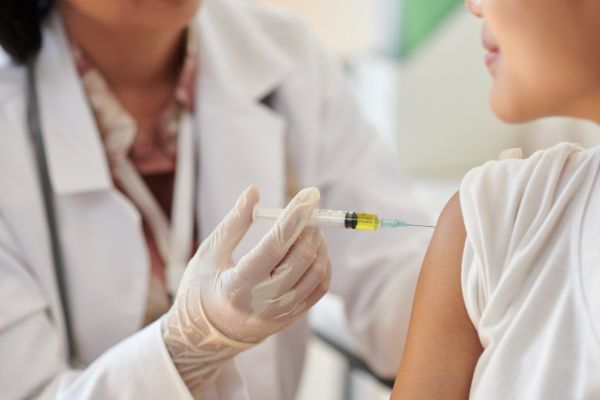
If you’ve been following the news even casually, you already know that vaccines are no longer a once-in-a-generation topic. They’re part of everyday conversation now. From dinner table debates to late-night scrolling, the topic keeps popping up—and for good reason. The latest vaccine developments are moving fast, sometimes faster than public understanding can keep up. So let’s slow it down a bit and talk through what’s really happening, what’s exciting, what’s confusing, and why it all matters.
This isn’t a dry science lecture. Think of this as one person trying to make sense of a rapidly changing world and sharing those thoughts with you.
Why the Latest Vaccine Developments Matter More Than Ever
The thing is, vaccines used to feel distant. You got a shot as a kid, maybe another one before traveling, and that was it. Now, vaccines are front and center in global health discussions, political debates, and personal decision-making. The latest vaccine developments aren’t just about preventing illness anymore; they’re about preparedness, adaptability, and trust.
We’re living in a time where diseases can cross borders faster than ever. Air travel, urban density, and climate change all play a role. Because of that, vaccine research has shifted from reactive to proactive. Scientists are no longer waiting for outbreaks to spiral out of control. They’re planning ahead, sometimes years in advance.
And honestly, that shift alone is huge.
The Rise of mRNA and What Comes After
You’ve probably heard a lot about mRNA technology by now. It’s one of the biggest breakthroughs connected to the latest vaccine developments, and it’s not slowing down. What started as an emergency response tool has turned into a flexible platform with massive potential.
mRNA vaccines are now being researched for illnesses that once seemed incredibly difficult to target, including certain cancers, HIV, and rare genetic disorders. Researchers can tweak these vaccines relatively quickly, which means responses to new variants or emerging diseases could take months instead of years.
But here’s the interesting part. Scientists aren’t stopping at mRNA. New platforms are being explored that combine the speed of mRNA with longer-lasting immunity. Some experimental vaccines aim to stimulate broader immune responses, meaning fewer boosters and better long-term protection. That’s a big deal, especially for regions with limited healthcare access.
Personalized Vaccines Are No Longer Sci-Fi
Let’s be real. The idea of a vaccine designed specifically for your body sounds like something out of a futuristic movie. But it’s becoming more real with every passing year. One of the more fascinating areas in the latest vaccine developments is personalized medicine.
In cancer research, for example, scientists are working on vaccines tailored to an individual’s tumor profile. Instead of a one-size-fits-all approach, these vaccines train the immune system to recognize and attack specific cancer markers unique to that patient.
It’s not mainstream yet, and it’s not cheap. Still, the progress is undeniable. The long-term goal is to turn some forms of cancer into manageable conditions rather than life-altering diagnoses. That’s hopeful, even if it’s still a work in progress.
Global Collaboration Is Changing the Game
One positive shift that doesn’t get enough credit is how global collaboration has improved. The latest vaccine developments are no longer confined to a handful of wealthy nations. Research institutions, pharmaceutical companies, and governments are working together across borders more than ever before.
Shared data, open-source research models, and international funding initiatives have sped up development timelines. During recent global health emergencies, we saw how quickly information could spread when cooperation took priority over competition.
Of course, challenges remain. Manufacturing capacity, distribution logistics, and political barriers still slow things down. But compared to a decade ago, the world is far more connected in its approach to vaccine science.
Needle-Free Vaccines and Easier Delivery Methods
Not everyone loves needles. That’s just reality. So it makes sense that some of the latest vaccine developments focus on how vaccines are delivered, not just what’s inside them.
Researchers are experimenting with nasal sprays, oral vaccines, and skin patches. These methods aren’t just about comfort. They can improve immune response at the entry points where viruses actually attack, like the respiratory tract.
Even better, needle-free vaccines simplify storage and transportation. Some of these new formats don’t require ultra-cold temperatures, which makes distribution easier in remote or underserved areas. That could dramatically improve global vaccination rates over time.
Addressing Vaccine Hesitancy Through Better Science
You know what’s just as important as developing vaccines? Getting people to trust them. One of the quieter but crucial aspects of the latest vaccine developments is transparency.
Scientists and health organizations are increasingly aware that technical success means nothing without public confidence. As a result, clinical trials are becoming more open, data is shared more widely, and communication strategies are evolving.
There’s also more focus on long-term safety monitoring. Instead of ending studies shortly after approval, researchers are tracking vaccine effects over longer periods. This doesn’t just improve safety—it helps address real concerns people have.
Because let’s be honest, skepticism doesn’t disappear just because someone says, “Trust the science.” It disappears when science shows its work.
Vaccines Beyond Infectious Diseases
When most people think about vaccines, they think about viruses and bacteria. But the latest vaccine developments go far beyond that. Researchers are exploring vaccines for conditions like Alzheimer’s disease, autoimmune disorders, and even addiction.
These aren’t traditional vaccines in the classic sense. Instead of preventing infection, they aim to modify immune responses or target harmful proteins in the body. It’s a complex area, and not every trial will succeed. Still, the potential is enormous.
If even a fraction of these experimental vaccines prove effective, they could change how we treat chronic illnesses entirely.
The Role of AI and Data in Vaccine Innovation
Here’s where things get really interesting. Artificial intelligence is quietly playing a major role in the latest vaccine developments. AI tools help researchers analyze massive datasets, predict protein structures, and identify potential vaccine targets faster than humans ever could.
This doesn’t mean machines are replacing scientists. Not at all. Instead, they’re acting as powerful assistants, speeding up early research stages and reducing trial-and-error.
The result? Faster development cycles, lower costs, and more precise targeting. In a world where timing can save millions of lives, that efficiency matters more than ever.
Challenges That Still Need Solving
Despite all this progress, it’s not all smooth sailing. Manufacturing bottlenecks, unequal access, misinformation, and regulatory delays continue to slow the impact of the latest vaccine developments.
Some countries still struggle to access basic vaccines, while others move ahead with cutting-edge innovations. Bridging that gap remains one of the biggest challenges in global health.
There’s also the issue of mutation. Viruses evolve. That’s what they do. Vaccine science has to stay one step ahead, which requires constant funding, political will, and public support.
None of this is simple. But acknowledging the challenges doesn’t diminish the progress—it puts it into perspective.
Looking Ahead at the Future of Vaccines
So where does all this leave us? Honestly, in a cautiously optimistic place. The latest vaccine developments show a clear trend toward faster innovation, broader protection, and more personalized care.
We’re moving toward a future where vaccines aren’t just emergency tools but integral parts of lifelong health management. A future where outbreaks are contained earlier, chronic diseases are managed better, and global cooperation becomes the norm rather than the exception.
That future isn’t guaranteed. It depends on continued investment, education, and trust. But the foundation is being built right now, piece by piece.
Final Thoughts on the Latest Vaccine Developments
At the end of the day, the latest vaccine developments represent more than scientific progress. They reflect how humanity responds to shared challenges. With curiosity. With urgency. And sometimes, with hard-earned humility.
Vaccines are evolving, and so is the conversation around them. The more we understand what’s happening behind the scenes, the better equipped we are to make informed decisions—not out of fear, but out of awareness.
And that, you know, makes all the difference.