
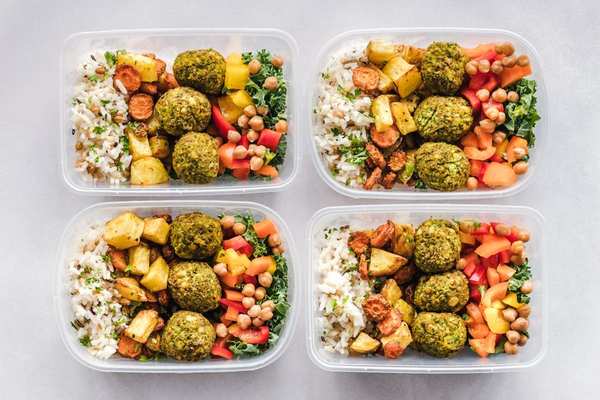
Meal prep does not have to mean spending an entire Sunday filling identical plastic boxes. For most people, the easiest approach is making a few decisions before the working week begins. Meal prep for beginners in the UK works best with normal supermarket ingredients, limited fridge space and meals you genuinely enjoy.
The goal is not to prepare every bite for seven days. It is to remove stressful decisions: what to take for lunch, what to cook after work and how to use fresh food before it goes to waste. Start small and build a routine that suits your household.
Start with three meals, not a full week
A common mistake is trying to prepare five lunches, five dinners, breakfasts and snacks in one session. That creates too much cooking, too many containers and a real risk of food boredom. Instead, choose three situations that regularly cause problems, such as Monday lunch, Tuesday dinner and the evening when you often order a takeaway.
Prepare enough food to cover those moments first. Once the system feels easy, expand it. This “three-meal rule” makes batch cooking useful without turning the kitchen into a production line.
Choose the right type of meal prep
Complete ready-to-reheat meals
Cook a complete dish, divide it into portions and chill or freeze it. Chilli, lentil curry, pasta sauce, soup and traybakes are reliable choices because they hold their texture and flavour well.
Cooked building blocks
Prepare separate components that can become different meals. Roasted vegetables, cooked chicken or chickpeas, rice and a simple dressing can be used for a grain bowl, wrap, salad or quick dinner. This suits people who dislike eating the same meal repeatedly.
Ingredient preparation
You can wash vegetables, chop onions, portion snacks or mix a sauce without cooking a full meal. Even 20 minutes of preparation can make weekday cooking quicker. Prep ahead meals are not always finished meals; sometimes the valuable part is removing the chopping and measuring.
Use a simple meal formula
Rather than finding five unrelated recipes, choose one protein, one carbohydrate base, two or three vegetables and one flavour element. For example, combine chicken thighs or butter beans with brown rice, peppers, broccoli and a yoghurt-herb sauce. The same ingredients can produce several meals without a complicated shopping list.
For healthy meal prep, aim for variety across the week rather than making every box perfect. UK healthy-eating guidance recommends a balance of fruit and vegetables, higher-fibre starchy foods, protein foods and dairy or alternatives over the day or week. Frozen vegetables, tinned pulses and microwave wholegrain rice are practical when time or budget is tight.
Natural topics to explore next include easy high-protein lunches, a weekly meal-planning template and budget-friendly family dinners.
Buy containers for your routine
Good meal prep containers should be leak-resistant, easy to stack and suitable for reheating. You do not need a matching 20-piece set. Begin with four to six containers in two sizes, plus small pots for dressings or snacks.
Glass resists staining and may be suitable for ovens, depending on the manufacturer’s instructions. Lightweight plastic is easier for commuting, but it should be food-safe and replaced when cracked, warped or badly scratched. Check that each container is labelled for microwave or freezer use before using it that way.
Label chilled and frozen portions with the dish and preparation date. This prevents mystery boxes and helps you use older meals first.
A realistic 90-minute beginner session
Imagine you work Monday to Friday, buy lunch twice and order a takeaway on Wednesday. Your first session can focus only on those three pressure points.
First 15 minutes
Heat the oven, start rice or another grain, and prepare a tray of vegetables. Season your protein and keep washing-up water ready so the workspace stays manageable.
Next 45 minutes
Roast the vegetables and protein while the grain cooks. Prepare a cold element such as chopped cucumber, fruit portions or yoghurt sauce. Use overlapping cooking times rather than finishing one recipe before starting another.
Final 30 minutes
Let cooked food stop steaming heavily, divide it into sensible portions, label it and refrigerate or freeze it promptly. You now have two work lunches and the base of a midweek dinner. Add a fresh salad, wrap or different sauce on the day for variety.
Keep food safe while meal prepping
The Food Standards Agency advises cooling cooked leftovers and putting them in the fridge within one to two hours. Keep the fridge at 5°C or below and avoid packing it so tightly that cold air cannot circulate.
Eat refrigerated leftovers within 48 hours or freeze them. When reheating, heat food until it is steaming hot throughout, stir microwave meals to remove cold spots and reheat leftovers only once. Freeze extra portions early rather than waiting until they are nearly too old to use.
Keep raw meat covered and separate from ready-to-eat food, ideally on the bottom shelf. Wash hands, boards and utensils carefully, and do not wash raw chicken because splashes can spread bacteria around the kitchen.
Common beginner problems and easy fixes
The food becomes repetitive
Keep the base neutral and change sauces, herbs or serving styles. The same roasted vegetables and chickpeas can become a curry bowl one day and a wrap filling the next.
Fresh ingredients go soft
Store wet elements separately. Add dressings, chopped tomatoes and crunchy toppings just before eating. Freeze portions intended for later in the week.
The session takes too long
Use one oven tray, one saucepan and one no-cook component. Frozen chopped vegetables, tinned beans and ready-cooked grains are useful tools, not failures.
Frequently asked questions
How many days should a beginner meal prep for?
Begin with two or three meals. For cooked leftovers kept in the fridge, follow UK guidance to eat them within 48 hours or freeze them. Preparing less also helps you learn which portions and recipes work.
What foods are best for batch cooking?
Chilli, curry, soup, stew, pasta sauce, cooked grains and many traybakes are dependable. Keep delicate leaves, crispy toppings and dressings separate.
Can meal prep save money?
It can, especially when it reduces takeaway orders, convenience lunches and wasted ingredients. Savings come from realistic quantities, versatile ingredients and freezing spare portions rather than simply buying in bulk.
Do I need to count calories?
No. Meal prep is a planning method, not a diet. You can use it for balanced eating, convenience, budgeting or family meals. People with medical conditions or specific dietary needs should seek advice from an appropriate healthcare professional or registered dietitian.
Build a system you can repeat
The best beginner routine is deliberately modest. Choose a few difficult meals, prepare flexible components, store them safely and notice what you actually eat. After two or three weeks, you will know whether you need more freezer portions, faster breakfasts or better packed lunches. That practical feedback turns meal prep from a one-off project into a useful weekly habit.