
Stress can make breathing feel faster, shallower and more automatic. That is one reason breathing exercises for stress can be useful: they give you a simple action to focus on while encouraging a slower, steadier breathing pattern. You do not need special equipment or a long block of free time. A few deliberate breaths can create a brief pause between feeling overwhelmed and reacting to whatever is happening.
Breathing exercises are not a cure for chronic stress, anxiety or other mental health conditions, but they can be a practical self-management tool. The aim is not to force yourself to feel calm instantly. It is to slow things down enough to notice your body, release some tension and regain a little sense of control.
Why slowing your breathing can help during stress
When you feel stressed, your body can shift into a more alert state. Your heart rate may rise, muscles may tense and your breathing may become quicker. Slow, controlled breathing can help interrupt that pattern. Health organisations such as the NHS recommend gentle breathing practices as one option for managing stress and promoting calm.
The most useful stress breathing techniques are usually the ones you can remember when you actually need them. Complicated counting patterns are not essential. For many people, simply breathing a little more slowly, letting the abdomen move naturally and making the exhale unhurried can create a noticeable pause.
Start with a simple calming breathing exercise
Sit comfortably with your feet supported, or lie down if that feels better. Relax your shoulders and jaw. Breathe in gently through your nose, allowing the breath to move toward your belly without forcing it. Then breathe out slowly and comfortably. If counting helps you stay focused, count slowly while breathing in and again while breathing out.
Try this for a few minutes rather than chasing a perfect number of breaths. The NHS suggests gentle, regular breathing and notes that some people find counting from one to five useful. If five feels too long, use a shorter count. The breath should stay comfortable rather than strained.
A practical example is the two-minute reset before a difficult phone call. Sit back, place both feet on the floor and take several slow breaths before you dial. You may still feel nervous, but you are entering the conversation after giving your body a chance to settle instead of carrying straight on at full speed.
Try diaphragmatic or belly breathing
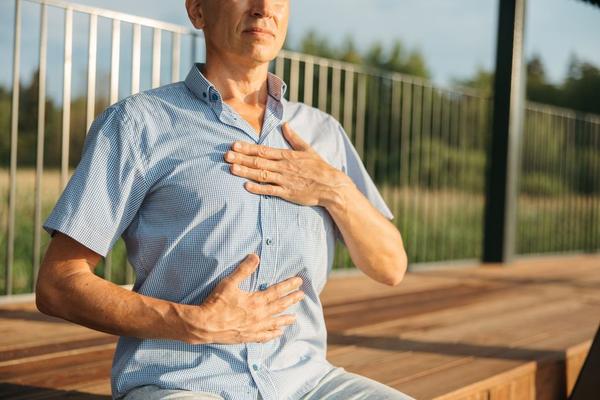
Diaphragmatic breathing, sometimes called belly breathing, can be helpful when stress has made your breathing feel high in the chest. Place one hand on your upper chest and the other on your abdomen. As you breathe in through your nose, let the lower hand move gently outward while keeping the upper chest relatively quiet. Breathe out slowly and let the abdomen soften.
This deep breathing exercise should feel easy, not dramatic. Taking the biggest breath possible can make some people feel light-headed. Think “slow and comfortable” rather than “as deep as possible.” Practising for a few minutes when you are fairly calm can make the technique easier to use during a tense moment.
Related reading can include coping with stress, grounding techniques and improving sleep during stressful periods.
Use a longer exhale when you want a simple rhythm
Another form of relaxation breathing is to let the out-breath last slightly longer than the in-breath. For example, you might breathe in comfortably for a count of three and breathe out for a count of four or five. There is no need to hold your breath between phases.
This approach is useful when you want something discreet. You can do it while waiting for an appointment, sitting in traffic, standing in a queue or taking a short break at work. No one else needs to know you are doing a calming breathing exercise.
What about box breathing and 4-7-8 breathing?
Structured patterns can help some people because counting gives the mind a clear task. Box breathing typically uses equal phases: inhale, hold, exhale and pause. A common pattern uses four counts for each phase. The 4-7-8 method uses a four-count inhale, a seven-count hold and an eight-count exhale.
These methods are optional, not superior. Breath holds can feel uncomfortable if you are already anxious, and beginners may become dizzy if they overdo controlled breathing. If a pattern feels unpleasant, stop and return to normal breathing. A gentler method without breath holding may suit you better.
Make breathing practice easier to remember
The best time to learn calming breathing is often before you are highly stressed. Attach a short practice to something you already do: after closing your laptop, before leaving the car, while the kettle boils or just before bed. Repetition makes the technique more familiar, so you do not have to remember complicated instructions in a difficult moment.
Notice what changes after a minute or two. Your stress may not disappear, but perhaps your shoulders drop, your jaw unclenches or your thoughts feel slightly less rushed. Those small shifts still matter. It does not need to produce complete relaxation to be worthwhile.
When breathing exercises may not be enough
Breathing exercises can support stress management, but they do not remove the cause of ongoing pressure. If stress is affecting your sleep, work, relationships or ability to cope day to day, consider speaking with a qualified healthcare professional or mental health professional. Other support may be more important than any single breathing technique.
If you have a heart or lung condition, or breathing exercises regularly make you feel unwell, ask a healthcare professional what is appropriate for you. Stop a technique if you feel dizzy, faint, unusually short of breath or uncomfortable.
Frequently asked questions
How long should I do breathing exercises for stress?
A few minutes can be enough for a short reset. NHS guidance suggests practising gentle breathing for around five minutes, but you can start with less if that feels more manageable. Regular practice often matters more than making each session long.
Should I breathe through my nose or mouth?
Many calming techniques use a gentle inhale through the nose and a relaxed exhale through the mouth. Comfort matters, though. If nasal breathing is difficult, do not force it.
Can breathing exercises stop anxiety immediately?
They may help reduce physical tension or create a sense of calm, but they do not guarantee that anxious feelings will disappear. Think of breathing as one coping tool rather than an instant switch.
What should I do if deep breathing makes me dizzy?
Stop the exercise and return to your normal breathing. Dizziness can happen when people breathe too deeply or too quickly. Use smaller, gentler breaths next time, and seek medical advice if dizziness is frequent or concerning.
A small pause can still be useful
Breathing exercises for stress work best when they are simple enough to use in real life. Start with comfortable, unforced breaths, slow the pace and give yourself a minute or two before moving on. You may not change the situation itself, but you can change how you meet the next moment. Over time, that brief pause can become a dependable part of a wider stress-management routine.