
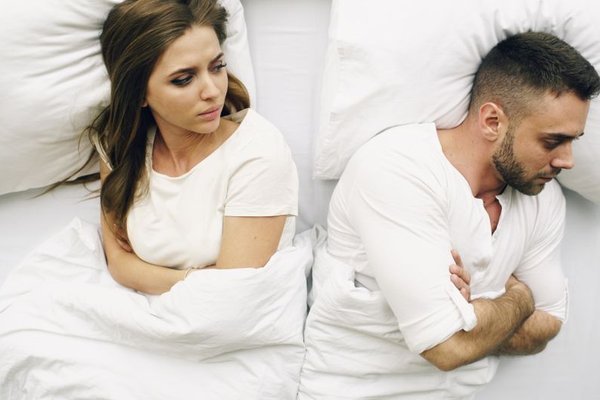
If you fall asleep easily but wake at 3am feeling hot, anxious or suddenly wide awake, you are not imagining a connection. Menopause sleep problems can begin during perimenopause, long before periods stop, and they do not always involve obvious night sweats. Some people struggle to drift off; others sleep in fragments and wake exhausted despite spending eight hours in bed.
The useful question is not simply how to sleep more. It is what keeps interrupting your sleep, because the answer helps you choose changes and treatments that are more likely to work.
Why menopause can disturb sleep
Changing hormones and temperature regulation
During perimenopause, oestrogen levels fluctuate and eventually decline. These changes can affect temperature regulation and contribute to hot flushes. When a flush happens overnight, sweating, a racing heartbeat or the need to change bedding can interrupt sleep. Even a short awakening may make it difficult to settle again.
Night sweats and sleep disruption often overlap, but they are not identical. You can experience menopause insomnia without waking drenched in sweat. This matters when explaining your symptoms to a GP: absence of night sweats does not make your sleep difficulty insignificant.
Mood, stress and the waking-at-night cycle
Hormonal changes may coincide with anxiety, low mood and greater sensitivity to stress. After several difficult nights, bedtime itself can become stressful. You start checking the clock, worrying about tomorrow and trying harder to force sleep. That pressure can increase alertness just when you need to unwind.
Other symptoms and conditions
Joint discomfort, frequent trips to the toilet and vaginal or urinary symptoms can also disturb rest. Meanwhile, not every new sleep problem is caused by menopause. Snoring with gasping, pauses in breathing, morning headaches or marked daytime sleepiness can point towards obstructive sleep apnoea. Restless legs, medication effects, persistent pain and depression deserve consideration too.
Match the solution to the sleep problem
If heat wakes you up
Make it easier to cool down without fully waking. Try breathable nightwear, lighter bedding in layers and a fan or comfortably cool bedroom. Keep fresh clothing nearby if sweating is frequent. Reducing alcohol and identifying whether hot drinks, spicy food or caffeine trigger flushes may help some people, although triggers vary.
For example, someone who wakes sweaty at 2am might keep a spare top and thin cover beside the bed. A quick change under dim lighting can prevent a long, bright-light disruption. If night sweats repeatedly soak bedding, discuss them with a GP rather than relying on room temperature changes alone.
If you cannot switch your mind off
Set aside ten minutes earlier in the evening to write down worries and one next step for tomorrow. Keep the final part of the evening quiet and predictable. If you wake, avoid repeatedly checking the time or scrolling through your phone. Slow breathing or a calm, familiar activity in low light may be easier than battling to fall asleep.
If you remain awake and frustrated, getting out of bed briefly for a quiet activity can help stop the bedroom becoming associated with anxiety. Return when sleepy. This is a behavioural strategy, not a test you must perform perfectly.
If your sleep schedule has become erratic
Choose a reasonably consistent wake-up time, including after a rough night. Get daylight and some movement during the day, and avoid lengthy late naps where possible. Limit caffeine later in the day and alcohol near bedtime. Both can undermine sleep even if alcohol initially makes you drowsy.
Keep a simple two-week sleep record
A short record can reveal more than a vague description of feeling tired. Each morning, note your approximate bedtime, time spent awake, night sweats, bathroom trips and how you felt on waking. Add the timing of caffeine or alcohol, and any medicines or menopause symptoms that changed.
Bring the record to a GP appointment to discuss whether hot flushes, insomnia or another symptom seems to be driving the disruption.
Medical treatments worth discussing
Hormone replacement therapy
Hormone replacement therapy, or HRT, can reduce hot flushes and night sweats and may improve sleep problems related to menopause. It is not automatically the right choice for everyone. A GP can discuss benefits and risks in light of your age, medical history, symptoms and preferences. The type of HRT also depends on factors including whether you have a womb.
You do not have to wait until periods stop to ask about treatment. Perimenopause sleep problems can be disruptive enough to justify a conversation now.
Cognitive behavioural therapy
Cognitive behavioural therapy, or CBT, addresses patterns of thought and behaviour that contribute to distress and disrupted sleep. NICE recommends considering menopause-specific CBT for sleep problems associated with hot flushes and night sweats, either alongside other care or when HRT is unsuitable or unwanted.
For ongoing insomnia, CBT for insomnia (CBT-I) specifically targets the habits and expectations that keep sleeplessness going. Ask which approach is appropriate for your symptoms.
What about sleeping tablets and supplements?
Sleeping tablets are generally not a first-choice long-term answer to persistent insomnia because of side effects and other risks. Products marketed as natural menopause sleep cures may have limited evidence and can interact with medicines. Check with a pharmacist or GP before trying supplements or over-the-counter sleep aids, especially if you take other medication.
When to speak with your GP
Book an appointment if sleep problems are affecting your work, mood, driving or everyday life; if self-care is not helping; or if you want to explore HRT or CBT. Seek assessment for loud snoring with gasping, severe daytime sleepiness or persistent unexplained symptoms. Regular drenching night sweats, particularly with fever or unexplained weight loss, should also be checked rather than assumed to be menopause.
It may help to read more about perimenopause symptoms, ways to manage hot flushes and HRT options before your appointment, so you can explain what matters most to you.
Frequently asked questions
Can menopause cause insomnia without night sweats?
Yes. Changes in mood, physical discomfort and sleep patterns can contribute to difficulty falling or staying asleep even without obvious flushes. Other causes of insomnia should still be considered.
How long do menopause sleep problems last?
There is no fixed timeline. Symptoms can come and go during perimenopause and may continue after the final period. Persistent sleep difficulties are worth treating rather than waiting indefinitely for them to resolve.
Will HRT help me sleep better?
It may, particularly when hot flushes or night sweats are interrupting sleep. Improvement is not guaranteed, and a clinician should help assess whether HRT fits your circumstances.
What if better sleep habits are not enough?
Ask your GP about menopause symptom treatment, CBT or CBT-I, and whether another sleep disorder needs assessment. You do not need to solve persistent insomnia through willpower alone.
Making restful nights more achievable
Menopause sleep problems are real, but they are not all caused by the same thing. Cooling the bedroom may ease night sweats; steadier routines can support sleep; and targeted treatment may be needed for ongoing insomnia or troublesome hormonal symptoms. Start with the pattern you notice most, record what happens and seek help when sleep continues to affect your days.