If you search for how to increase testosterone naturally, you will find plenty of dramatic promises: one food, one workout or one supplement that supposedly changes everything. Real hormone health is less theatrical. Testosterone levels vary with age, health, sleep and body composition, and no routine can guarantee a particular blood-test result. The useful goal is to build habits that support normal function while recognising when symptoms need medical attention.
Protect Your Sleep Before Chasing a Testosterone Boost
Testosterone production follows a daily rhythm, and sleep disruption can interfere with that rhythm. The relationship between sleep and testosterone is not as simple as adding an extra hour and receiving a predictable percentage increase, but regularly cutting sleep short is a poor foundation for hormonal health.
Most adults need at least seven hours of sleep; individual needs vary. Choose a realistic bedtime, keep your wake-up time reasonably consistent and give yourself an opportunity for sufficient sleep. A dark, quiet bedroom and less late-night screen use may help if you struggle to settle down.
Pay attention to quality, not just duration. Loud snoring, breathing pauses noticed by a partner and pronounced daytime sleepiness may indicate obstructive sleep apnea. That deserves assessment rather than another sleep supplement. For more everyday strategies, a guide to better sleep habits can complement this routine.
Train for Strength, Not a Hormone Spike
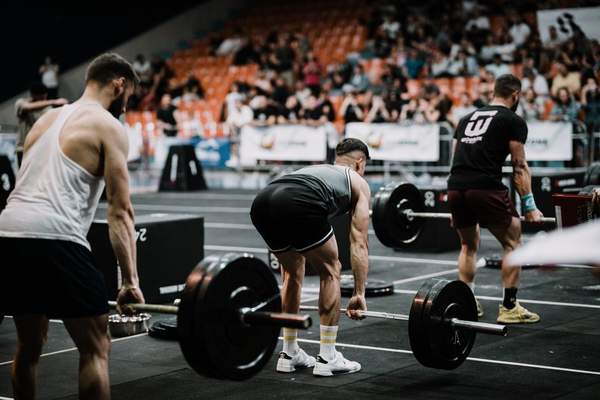
Resistance exercise improves strength, muscle function and body composition. Some workouts briefly change circulating testosterone, but a short-lived increase after training does not prove that resting levels will rise long term. This distinction matters when advertisements use exercise testosterone claims to sell extreme programmes.
A simple weekly starting point
Try two or three nonconsecutive strength sessions each week. Cover major movement patterns with exercises such as squats or chair stands, rows, presses and hip hinges. Start with loads you can control, learn the technique and increase the challenge gradually. Walking, cycling or other enjoyable aerobic activity adds cardiovascular benefits.
For example, someone returning to exercise after months at a desk could lift on Monday and Thursday, walk for 20–30 minutes on other days and add a third session only after recovery feels manageable. A strength training for beginners plan is a useful next step. Training to exhaustion every day is not required, and recovery and adequate food remain important.
Consider Weight Management Without Crash Dieting
Excess body fat, particularly in people with obesity, is associated with lower measured testosterone. Research suggests that meaningful weight loss can improve testosterone concentrations in some men with obesity, although the size of the change varies. Weight loss is not a universal treatment for clinically low testosterone.
If weight reduction is appropriate for you, aim for steady, achievable changes: more home-prepared meals, satisfying portions, regular activity and fewer liquid calories. Avoid harsh calorie restrictions that leave you hungry, exhausted and unable to train well. If you are already at a healthy weight, trying to get exceptionally lean offers no guaranteed hormonal benefit.
Eat Enough, and Look Beyond Supposed Superfoods
No ordinary food has been shown to reliably boost testosterone naturally in every healthy man. Your body does, however, need sufficient energy, protein, fats and micronutrients to function properly. Build meals around varied protein sources, vegetables, fruit, whole grains and sources of unsaturated fat such as nuts, olive oil and fish.
Zinc and vitamin D are relevant to normal physiology, but taking high doses when you are not deficient is not an established testosterone strategy. Foods such as meat, beans, seafood and fortified products can help meet nutritional needs. If a deficiency is suspected, a clinician can advise on testing and appropriate treatment rather than guesswork.
People who train frequently should also avoid chronically under-eating. A balanced nutrition for active adults guide may help with meal planning, but restrictive diets promising instant hormonal changes deserve scepticism.
Reduce What Undermines Recovery
Be wary of over-the-counter “testosterone boosters.” Many products have weak evidence for their advertised effects, and some supplements marketed for hormonal or sexual enhancement have contained undeclared drug ingredients. Do not assume that “natural” means safe. Discuss supplements with a qualified healthcare professional, particularly if you take medication.
Limiting heavy alcohol use and addressing stress are healthy testosterone habits worth keeping. They support general health and recovery, although neither can guarantee a rise in hormone levels.
Know When Habits Are Not the Whole Answer
Low sex drive, fewer spontaneous erections, infertility, unexplained loss of muscle or persistent fatigue may prompt a conversation with a clinician. These symptoms have many possible explanations, including sleep disorders, depression, medication effects and chronic illness. They cannot confirm testosterone deficiency on their own.
The Endocrine Society recommends diagnosing hypogonadism only when compatible symptoms occur alongside consistently low, accurately measured testosterone. Testing generally involves morning blood samples on two separate occasions, with further assessment as needed. An isolated result after poor sleep or illness may be misleading.
If you hope to have children, mention this before discussing testosterone treatment. Prescription testosterone can suppress sperm production and is not a casual fitness aid. Treating an underlying medical condition and making sustainable lifestyle changes may both have roles, depending on the diagnosis.
A Practical Four-Week Reset
Instead of tracking every supposed hormone hack, run a short experiment focused on habits you can actually control. During the first week, set a consistent sleep schedule. In week two, add two strength sessions. During week three, improve one recurring meal and keep enjoyable walks in your routine. In week four, review sleep quality, energy, mood and exercise consistency.
These observations are not substitutes for blood tests and cannot tell you your testosterone level. They do reveal whether your routine is becoming more supportive of general health. If troublesome symptoms persist, seek an assessment rather than extending the experiment indefinitely.
Frequently Asked Questions
Can you increase testosterone naturally without supplements?
Sometimes, especially when a reversible factor such as obesity or insufficient sleep is involved. Better habits support health but cannot reliably correct every cause of low testosterone. Supplements are not necessary for a sensible lifestyle plan.
What exercise is best for testosterone?
Resistance training is valuable for muscle and metabolic health. Choose a manageable, progressive programme and combine it with aerobic activity. There is no single exercise proven to produce a lasting testosterone increase in everyone.
How quickly do lifestyle changes affect testosterone?
There is no dependable timetable. Sleep may improve how you feel within days, while changes in weight and fitness often take longer. Hormone levels fluctuate, so assess persistent concerns medically rather than judging progress by daily energy alone.
Does low testosterone always need treatment?
No. A low reading requires clinical interpretation, repeat testing and consideration of symptoms and causes. Sometimes addressing a reversible problem is appropriate; confirmed hypogonadism may warrant discussion of medical treatment and its risks.
Make Consistency the Goal
The most credible answer to how to increase testosterone naturally is not a shortcut. Protect your sleep, exercise regularly, eat adequately, manage weight when needed and question products that promise extraordinary results. These habits are worthwhile regardless of the number on a lab report. Persistent symptoms deserve careful testing and personalised medical advice, not another miracle cure.