
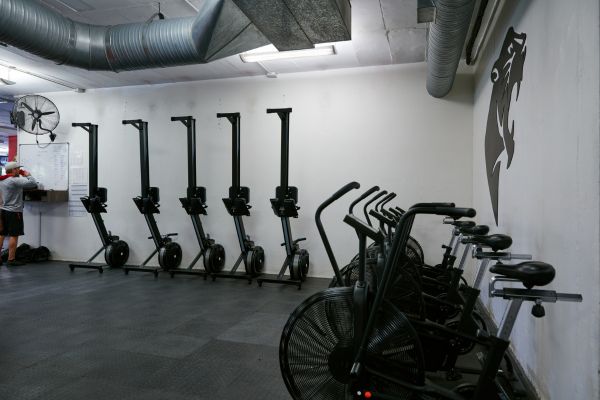
The fitness scene in Britain has transformed dramatically over the past decade. From warehouse-style strength facilities in industrial estates to luxury wellness clubs tucked inside city centres, today’s landscape is diverse, ambitious, and more inclusive than ever. When people search for the Best gyms in the UK, they are rarely just looking for treadmills and dumbbells. They are searching for experience, atmosphere, community, and results.
What defines a truly great gym isn’t just square footage or membership numbers. It’s culture. It’s coaching quality. It’s whether members feel supported, challenged, and motivated long after the novelty wears off. Across the UK, several standout names continue to shape modern fitness in their own distinctive ways.
The Rise of Boutique Fitness Culture
Over the last decade, boutique studios have redefined what it means to “go to the gym.” Instead of sprawling floors packed with equipment, these spaces focus on curated experiences. Structured classes, immersive lighting, energising playlists, and highly trained instructors create sessions that feel more like events than workouts.
Studios such as Barry’s and 1Rebel have become household names, particularly in London. Their appeal lies in precision programming and atmosphere. You book your class, show up, and are guided through a high-intensity session that blends strength and cardio seamlessly.
Similarly, F45 Training has built a strong UK presence by combining functional training with community spirit. Members train together, progress together, and often socialise outside the studio. For many, that sense of belonging is just as important as physical transformation.
Boutique gyms tend to attract professionals who value efficiency. A 45-minute class is designed to maximise output. There’s no wandering around wondering what to do next. Everything is structured. Everything has intent.
Premium Health Clubs and Luxury Wellness Spaces
At the other end of the spectrum are the premium health clubs that offer more than just fitness. These are places where you might train in the morning, attend a yoga class at lunchtime, and relax in a spa by evening.
Third Space is often cited as one of the most refined training environments in the capital. With expansive strength areas, recovery zones, and top-tier coaching staff, it blends performance with luxury in a way that feels carefully balanced rather than excessive.
Then there is Virgin Active, which has invested heavily in modernising its clubs across the country. Spacious layouts, swimming pools, wellness studios, and family-friendly facilities make it accessible to a wide demographic.
David Lloyd Clubs follows a similar model, particularly popular outside central London. Tennis courts, spa areas, and social lounges transform the gym into a lifestyle hub. For many members, it’s as much about connection and routine as it is about exercise.
Luxury gyms aren’t for everyone. Membership costs are higher, but for those who want comprehensive wellness under one roof, they offer convenience and atmosphere that can be difficult to replicate elsewhere.
The Strength Training and Functional Fitness Movement
The UK has seen a significant surge in strength-based training. Warehouse-style gyms filled with squat racks, bumper plates, sled tracks, and lifting platforms are no longer niche spaces for competitive athletes. They’ve become mainstream.
CrossFit affiliates across Britain have introduced thousands of people to Olympic lifting, gymnastics, and metabolic conditioning. Classes are intense, structured, and community-driven. Members often describe them as transformative, both physically and mentally.
Independent strength gyms have also flourished. These facilities focus less on aesthetics and more on equipment quality and coaching expertise. You’ll often find experienced trainers specialising in powerlifting, weightlifting, or athletic performance. The atmosphere is focused but supportive. Beginners train alongside seasoned lifters, and progress is measured in personal bests rather than mirror selfies.
Functional training has blurred the lines between athletic conditioning and everyday fitness. It emphasises movement quality, mobility, and real-world strength. This approach has broadened the appeal of strength training, making it more inclusive and less intimidating than it once seemed.
Budget Gyms and Accessibility Across the UK
Affordability has played a crucial role in democratising fitness across Britain. Budget chains such as PureGym and The Gym Group operate 24 hours in many locations, offering flexible memberships without long-term contracts.
These gyms focus on core essentials: cardio machines, resistance equipment, free weights, and functional areas. They may not offer pools or spas, but they provide reliable, accessible spaces for people who simply want to train consistently.
The rise of low-cost gyms has made regular exercise far more accessible, particularly for students, shift workers, and those new to fitness. With thousands of locations nationwide, they ensure that quality equipment is never far away.
Accessibility also extends to digital integration. Many gyms now provide mobile apps for booking classes, tracking attendance, and accessing workout plans. Technology has become a silent but powerful partner in modern training.
Community as the Defining Factor
Beyond equipment and aesthetics, the most important factor separating good gyms from the best is community. Walk into a truly exceptional gym and you’ll feel it immediately. Staff greet members by name. Trainers offer guidance without pressure. Members encourage each other.
This community element is especially strong in smaller independent gyms. Many have built loyal followings through consistent coaching standards and a welcoming environment. New members are integrated gradually, often with onboarding sessions that teach movement fundamentals before intensity increases.
Gyms that invest in education tend to stand out. Workshops on nutrition, injury prevention, and mobility add value beyond the standard membership. It becomes less about transactions and more about long-term development.
In an era where many people work remotely and social circles are fragmented, gyms have become vital social spaces. They offer routine, accountability, and shared goals. That emotional component is often overlooked but deeply influential.
How to Choose the Right Gym for You
Finding the right fit depends on personal goals, budget, and personality. Someone training for a marathon will prioritise different facilities than someone focused on building strength. A busy professional might prefer structured classes, while an experienced lifter may value open gym flexibility.
Location remains crucial. The best gym in theory is meaningless if it’s too far away to visit consistently. Atmosphere matters too. Some people thrive in high-energy environments with loud music and packed classes. Others prefer quieter, more focused spaces.
Trial sessions can be invaluable. Most gyms offer day passes or introductory memberships. Spending even one session in a facility can reveal whether the culture aligns with your preferences.
A Changing Landscape of Fitness in Britain
The UK fitness industry continues to evolve. Hybrid memberships, recovery services, and performance testing are becoming more common. Mental health awareness has also influenced programming, with many gyms incorporating mindfulness sessions and mobility classes into their timetables.
As more people prioritise long-term wellbeing over short-term aesthetics, the definition of excellence in fitness spaces continues to shift. It’s no longer solely about six-pack abs or heavy lifts. It’s about sustainability, inclusivity, and genuine support.
For readers exploring the landscape of the Best gyms in the UK, the options are more varied and dynamic than ever. From boutique studios and luxury wellness clubs to strength-focused training facilities and accessible budget chains, the country offers something for nearly every fitness philosophy.
Conclusion: Finding Strength in the Right Environment
The search for the Best gyms in the UK is ultimately a search for alignment. The right gym doesn’t just provide equipment; it provides direction, motivation, and community. It becomes a place where routine turns into discipline, and discipline turns into measurable progress.
Across Britain, gyms are redefining what it means to be healthy. They are spaces where people push boundaries, recover intelligently, and connect with others pursuing similar goals. Whether you are stepping into a gym for the first time or refining years of training experience, the most important factor is finding a space that supports your journey.
In the end, the best gym is not simply the one with the most machines or the highest membership fees. It is the one that keeps you coming back, week after week, steadily building strength, confidence, and resilience.