
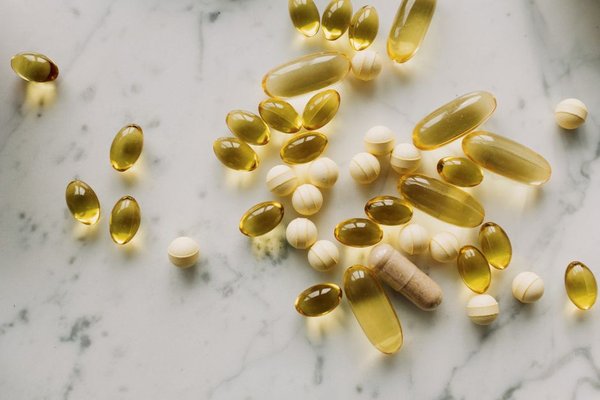
Vitamins and minerals are needed in small amounts, but their impact is anything but small. They support energy release, immunity, bones, blood, nerves and vision. The difficulty is that official guidance is spread across multiple pages and the numbers are not always presented in the same way. This plain-English guide to essential vitamins and minerals daily intake UK recommendations brings the main adult figures together with practical food sources.
What UK daily intake figures mean
People often search for “RDA UK”, but UK guidance commonly uses Reference Nutrient Intakes, or RNIs, to describe an amount expected to meet the needs of most people in a group. Food labels may show a Nutrient Reference Value, or NRV, which is a standard labelling figure rather than a personalised target.
The amounts below mainly reflect NHS guidance for healthy adults, often aged 19 to 64. Needs can change with age, sex, pregnancy, breastfeeding, health conditions and medicines. Treat this micronutrients guide as a practical overview, not individual medical advice.
Essential vitamin intake for UK adults
Vitamins A, C, D, E and K
Vitamin A supports vision, immunity and healthy skin. Adults need about 700 micrograms a day for men and 600 micrograms for women. Sources include eggs, dairy foods, oily fish, carrots, spinach, sweet potatoes and red peppers. Liver is very rich in vitamin A and should be avoided during pregnancy.
Vitamin C protects cells and supports skin, blood vessels, bones and wound healing. Adults need 40mg a day. Citrus fruit, peppers, strawberries, blackcurrants, broccoli, Brussels sprouts and potatoes contribute. Because vitamin C is not stored, regular intake matters more than an occasional large dose.
Vitamin D helps regulate calcium and supports bones and muscles. Adults and children over one need 10 micrograms daily. UK sunlight is generally insufficient between October and early March, so the NHS advises everyone to consider a 10-microgram supplement during autumn and winter. People with little sun exposure or darker skin may need to consider it year-round. Oily fish, egg yolks and fortified foods provide some vitamin D, but food alone may not reliably cover vitamin D intake.
Vitamin E supports the immune system and helps protect cells. Men need about 4mg and women 3mg daily, with plant oils, nuts, seeds and wheatgerm among the best sources. Vitamin K is important for blood clotting and may support bone health. Adults need roughly 1 microgram per kilogram of body weight each day, usually supplied by green vegetables, vegetable oils and cereal grains.
B vitamins and folate
B vitamins help release energy and support the nervous system and blood formation. Daily adult needs include thiamin at 1mg for men and 0.8mg for women; riboflavin at 1.3mg for men and 1.1mg for women; niacin at 16.5mg for men and 13.2mg for women; and vitamin B6 at 1.4mg for men and 1.2mg for women. Wholegrains, fortified cereals, meat, fish, eggs, dairy foods, pulses and nuts provide a useful mix.
Adults need 200 micrograms of folate and about 1.5 micrograms of vitamin B12 daily. Leafy greens, broccoli, peas, chickpeas and fortified cereals provide folate. Vitamin B12 occurs naturally in animal foods, so vegans should use reliable fortified foods or an appropriate supplement. Anyone pregnant, trying for a baby or who could become pregnant is advised to take 400 micrograms of folic acid daily before pregnancy and until 12 weeks pregnant, unless a clinician recommends more.
Essential mineral intake for UK adults
Calcium, magnesium and potassium
Calcium supports bones, teeth, muscles, heartbeat and normal blood clotting. Adults need 700mg daily. Dairy products, calcium-fortified plant drinks, fortified bread, kale and fish with edible bones are useful sources. Magnesium supports energy metabolism and bone-related hormone function; men need 300mg and women 270mg daily. Nuts, wholemeal bread, beans and leafy greens help provide it.
Potassium helps control fluid balance and supports normal heart muscle function. Adults aged 19 to 64 need 3,500mg a day. Potatoes, bananas, beans, pulses, vegetables, nuts, fish and poultry all contribute. Most people should focus on food rather than potassium supplements, because kidney function and some medicines can affect potassium safety.
Iron and zinc
Iron is needed to make haemoglobin, which carries oxygen in the blood. Men aged 19 and over need 8.7mg daily. Women aged 19 to 49 need 14.8mg, while women aged 50 and over generally need 8.7mg; those still having periods may require more. Meat, beans, chickpeas, nuts, fortified cereals and dried fruit are useful sources. Heavy periods and restrictive diets can increase the risk of iron deficiency.
Zinc supports cell production, wound healing and nutrient metabolism. Men need about 9.5mg daily and women 7mg. Meat, shellfish, dairy foods, bread and cereal products are common sources. High-dose zinc supplements can interfere with copper absorption, so more is not automatically better.
Iodine and selenium
Iodine is needed for thyroid hormone production. Adults need 140 micrograms daily, usually from milk, dairy foods, eggs, sea fish and shellfish. Strict vegans should check whether plant drinks are fortified with iodine, as not all are. Selenium supports immunity, reproduction and cell protection. Men need 75 micrograms and women 60 micrograms daily, with fish, meat, eggs and Brazil nuts among the richer sources.
How to meet your micronutrient needs
A varied diet works better than chasing each number separately. Build meals around vegetables and fruit, wholegrain or higher-fibre carbohydrates, beans or other protein foods, and dairy or fortified alternatives. Include fish where suitable, choose fortified products thoughtfully and rotate foods across the week. One balanced meal can supply several nutrients at once.
A mineral deficiency or vitamin deficiency cannot always be diagnosed from symptoms. Persistent fatigue, weakness, numbness or other concerns deserve medical assessment rather than guesswork. Supplements can help when official advice recommends them, a blood test confirms a deficiency or a clinician identifies increased need. Avoid combining high-dose products without checking their total amounts.
Frequently asked questions
Do I need a multivitamin every day?
Most healthy adults can obtain most nutrients from a varied diet. Vitamin D is the main routine exception in UK guidance, with a 10-microgram supplement advised for consideration during autumn and winter and year-round for some higher-risk groups.
Are food-label NRVs personal targets?
No. NRVs are standard values used on labels to compare products. Your requirement may differ according to sex, age, pregnancy, health and other factors.
Can I take too many vitamins and minerals?
Yes. High supplemental doses of vitamin A, vitamin D, iron, zinc and selenium can be harmful. Follow label instructions and seek professional advice before using high-dose supplements.
What is the best way to prevent mineral deficiency?
Eat a varied diet, use fortified foods where helpful and discuss risk factors such as heavy periods, restrictive diets or absorption problems with a GP or registered dietitian. Do not rely on symptoms alone.
Conclusion
Understanding essential vitamins and minerals daily intake UK guidance is less about memorising every number and more about building a varied, food-first routine. Use the figures as reference points, pay particular attention to vitamin D and nutrients affected by your diet pattern, and seek personalised advice when pregnancy, medicines or medical conditions change your needs.