
Protein has moved well beyond the sports-nutrition aisle. NielsenIQ reported that sales of protein-based foods in the UK rose 9.6% over the 26 weeks to 10 January 2026, comfortably ahead of overall grocery growth. That extra choice is useful, but a prominent protein claim does not automatically make a product nutritious or good value. The most practical high protein foods list UK shoppers can use still begins with familiar staples: eggs, dairy, fish, lean meat, beans, lentils and soya foods.
How Much Protein Do You Actually Need?
The UK Reference Nutrient Intake for adults is 0.75g of protein per kilogram of body weight per day. That works out at roughly 45g for a 60kg adult and 56g for someone weighing 75kg. Needs can be higher during pregnancy, recovery from illness, later life or intensive training. If you have kidney disease or another condition affected by protein intake, ask your GP or a registered dietitian for personalised advice.
Most UK adults already consume more than the basic recommendation. The aim is not to chase the highest possible number. Choose varied protein sources, spread them across meals and keep the rest of the diet balanced with vegetables, fruit, wholegrains and healthy fats. Protein supports normal muscle maintenance and growth, but total energy intake and resistance exercise also matter.
High Protein Foods for Breakfast
Eggs
Two medium eggs provide roughly 13g of protein and are easy to use in omelettes, scrambled eggs or breakfast sandwiches. Add wholemeal toast and vegetables for fibre and a complete meal. Eggs are also among the most affordable protein rich foods in UK supermarkets.
Greek Yoghurt, Skyr and Cottage Cheese
Plain Greek-style yoghurt commonly supplies around 6g of protein per 100g, while strained Greek yoghurt or skyr can provide about 9g to 11g; check the tub because recipes vary. Cottage cheese is another useful option at roughly 9g to 12g per 100g. Pair these foods with oats, berries and a few nuts instead of relying on heavily sweetened “protein” desserts.
Milk and Fortified Soya Drinks
Cow’s milk contains about 3.5g of protein per 100ml, so a 250ml glass contributes close to 9g. Among plant drinks, unsweetened soya is usually the closest protein match. Almond, oat and coconut drinks often contain much less, making the nutrition panel worth checking. Choose fortified versions for calcium and, where available, vitamin B12 and iodine.
Best Protein Sources for Lunch and Dinner
Chicken, Turkey and Lean Meat
Cooked skinless chicken breast provides about 32g of protein per 100g, making it one of the most concentrated muscle building foods. Turkey and lean cuts of beef or pork are similarly useful. Keep processed meats such as bacon, sausages and salami occasional because they can be high in salt and saturated fat. NHS guidance advises people eating more than 90g of red and processed meat a day to reduce their average to 70g.
Fish and Seafood
A 100g portion of cooked salmon, cod or canned tuna typically delivers around 24g to 25g of protein. Frozen fish fillets and own-brand tins can be economical, while salmon, sardines and mackerel add beneficial omega-3 fats. UK guidance recommends two portions of fish each week, including one portion of oily fish. Canned tuna counts as fish but not as oily fish for this recommendation.
Beans, Lentils and Chickpeas
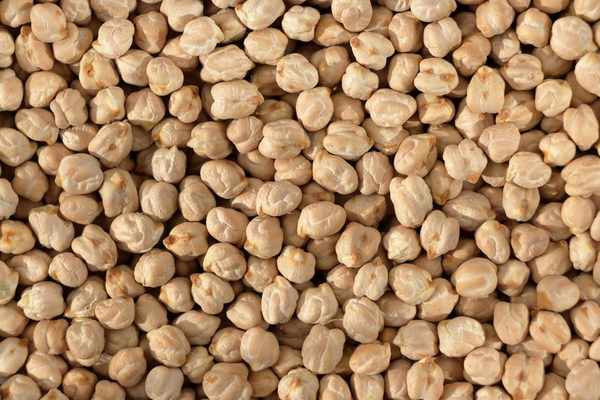
Cooked or canned pulses generally provide around 5g to 8g of protein per 100g, alongside fibre and useful micronutrients. They may look less protein-dense than meat, yet the serving is often larger and they work brilliantly in curries, chilli, soups and salads. Mixing lentils with lean mince can stretch a family meal, lower the cost per portion and increase fibre.
Tofu, Tempeh and Meat Alternatives
Basic tofu often contains about 8g to 15g of protein per 100g, while firmer tofu and tempeh can contain more. Soya-based mince and pieces are convenient alternatives, but compare brands for salt, saturated fat and protein. Vegans do not need to combine different plant proteins at every meal; variety across the day can provide all essential amino acids.
High Protein Snacks That Earn Their Place
Convenient high protein snacks do not require specialist packaging. Try a boiled egg, a small pot of skyr, cottage cheese with tomatoes, edamame, hummus with vegetables, roasted chickpeas or a glass of milk. Nuts and seeds contain protein too, although they are energy-dense, so a modest handful is usually enough.
Protein bars and shakes can be useful when time or appetite is limited, but they are not automatically superior to food. Compare protein per serving, calories, added sugar, saturated fat, salt and price. In UK labelling rules, “high protein” means at least 20% of the food’s energy comes from protein; it does not mean the product is low in sugar, fat or calories.
How to Build a High Protein Day
Include a meaningful source at each main meal rather than leaving most of the day’s protein for dinner. Breakfast might be skyr with oats; lunch could be a tuna and bean salad; dinner might combine chicken, tofu or lentils with vegetables and a wholegrain carbohydrate. Add a protein-containing snack only if hunger, training or your daily target calls for one.
For value, compare the price per portion rather than the price on the front of the pack. Eggs, milk, dried lentils, canned beans, frozen fish and larger tubs of plain yoghurt often beat premium branded products. Nutrition values can change between recipes and retailers, so use the back-of-pack figure to confirm the protein in your usual serving.
Frequently Asked Questions
What food has the most protein?
Lean cooked meat and fish are among the most protein-dense everyday foods, commonly providing about 20g to 32g per 100g. Reduced-fat cheese can also be concentrated, although its salt and saturated fat still matter. The best choice depends on the whole nutritional profile, budget and dietary preference.
Can I get enough protein without meat?
Yes. Soya foods, beans, lentils, chickpeas, peas, nuts and seeds all contribute. Vegetarians can also use eggs and dairy. Variety and adequate overall food intake are more important than trying to find one perfect plant food.
Do I need protein powder to build muscle?
No. Many people can meet their needs through regular meals. Protein powder is a convenient supplement, not a requirement. Progressive resistance training, sufficient calories, sleep and consistent protein intake all influence muscle gain.
Is more protein always better?
No. Once your needs are met, extra protein does not guarantee extra muscle and still supplies calories. Very high intakes can crowd out fibre-rich foods, while some high-protein products bring extra salt, sugar or saturated fat.
Conclusion
The best high protein foods list UK shoppers can follow is varied, affordable and built around ordinary food. Use eggs or yoghurt at breakfast, fish, lean meat or pulses at main meals, and simple snacks when needed. Read labels carefully, spread protein through the day and treat flashy claims as a prompt to compare rather than a reason to buy. That approach supports your goals without making every meal feel like a nutrition calculation.