
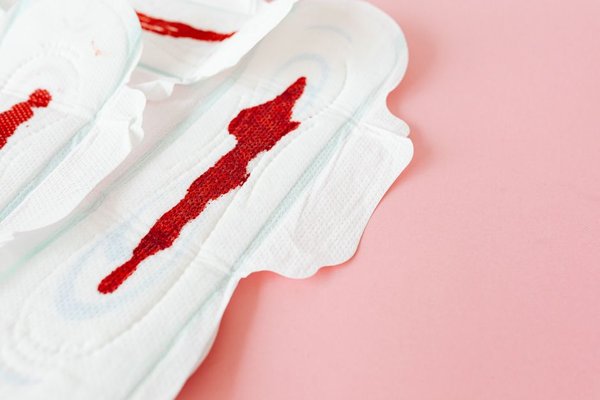
A period arriving a few days earlier or later than expected is often part of normal cycle variation. What matters more is the pattern over time. If the gap between periods keeps changing, bleeding becomes noticeably different, or periods stop unexpectedly, it is worth looking at what may be influencing your cycle.
An irregular menstrual cycle can happen for many reasons, from stress and hormonal contraception to pregnancy, perimenopause, thyroid problems and hormone conditions. Some causes are temporary, while others deserve a GP review. Tracking a few details can make it easier to tell the difference.
What counts as an irregular period?
Menstrual cycles are counted from the first day of one period to the first day of the next. Many adult cycles fall somewhere around 21 to 35 days, but a regular cycle does not have to arrive on exactly the same date every month.
Periods may be described as irregular when the gap between them changes repeatedly, when you have frequent late periods or early periods, or when a previously predictable pattern becomes noticeably different. Changes in how long bleeding lasts or how heavy it is can also matter.
It is often more useful to compare cycle changes with your own usual pattern than with a perfect 28-day cycle. If your periods normally arrive every 30 to 32 days and one comes on day 34, that is different from cycles jumping from 24 days to 43 days over several months.
Common causes of irregular periods
Pregnancy
A missed period is often one of the earliest signs of pregnancy. If pregnancy is possible and your period is late, taking a home pregnancy test is a sensible first step. Most tests can be used from the first day of a missed period. If the result is negative but your period still does not arrive, follow the test instructions about repeating it or speak to a healthcare professional.
Stress, anxiety and lifestyle changes
Stress can affect the hormonal signals involved in ovulation, so periods may arrive later, earlier or occasionally be missed. Major changes in sleep, travel, work pressure or emotional strain can coincide with cycle changes. Significant weight loss or weight gain may have a similar effect.
High levels of exercise or low energy intake
Very intense training, particularly when the body is not getting enough energy from food, can disrupt ovulation and lead to late periods or periods stopping. This is more likely to matter when exercise volume has increased sharply or weight has fallen.
Hormonal contraception
Hormonal contraception can change bleeding patterns. The progestogen-only pill, contraceptive injection, implant and hormonal intrauterine system can cause irregular bleeding, lighter periods or periods that stop. These changes do not automatically mean something is wrong, but persistent or troublesome bleeding should be discussed with a GP, nurse or sexual health service.
Perimenopause
As menopause approaches, hormone levels fluctuate and periods often become less predictable. They may be closer together, further apart, lighter or heavier. Perimenopause commonly begins in the 40s, although timing varies. Any vaginal bleeding after 12 months without a period should be checked by a GP, even if it happens only once.
Hormone and medical conditions
Conditions that affect hormones can disrupt ovulation. These include thyroid disorders and polyendocrine metabolic ovarian syndrome, called PMOS by the NHS and previously known as PCOS. Irregular periods alongside increased facial hair, acne or oily skin, weight changes, tiredness or difficulty getting pregnant may be a reason to ask a GP for assessment.
Other health problems can also affect menstruation, so it is best not to assume every irregular cycle has the same cause. Depending on your symptoms and history, a GP may recommend blood tests or further investigations.
What to track before seeing a GP
A simple cycle record is often more useful than trying to remember dates during an appointment. Note the first day of each period, how many days bleeding lasts, whether the flow is light, moderate or heavy, and any spotting between periods. Also record pain, pregnancy tests, medication or contraception changes, major stress, weight changes and new symptoms.
For example, imagine your last four cycles were 29, 31, 46 and 27 days. That pattern gives a GP more useful information than simply saying your periods are unpredictable. If the 46-day cycle followed a major illness or stressful month, that context is useful too.
For related background, guides on menstrual cycle tracking, heavy periods and signs of perimenopause are natural next reads when you are trying to understand what has changed.
When should irregular periods be checked?
Arrange a GP appointment if your periods have become irregular, you have missed three periods in a row, bleeding lasts longer than seven days, you are bleeding between periods, or you have additional symptoms such as unusual hair growth, marked weight change, tiredness or skin changes. Seek advice too if irregular cycles are making it difficult to get pregnant.
Heavy bleeding deserves review if it is affecting daily life, such as needing to change a pad or tampon every one to two hours or needing to use two types of period protection together.
Seek urgent medical advice if you have recently missed a period and have unusual vaginal bleeding with abdominal or pelvic pain, because an ectopic pregnancy is one possible cause. Call 999 or go to A&E if there is sudden, severe abdominal pain with dizziness, fainting, sickness or marked paleness.
FAQ
Can stress really make a period late?
Yes. Stress can interfere with the hormonal signals involved in ovulation, which may delay a period or make the timing less predictable. If irregularity continues or you have other symptoms, speak to a GP.
Are early periods always a problem?
No. An occasional early period can happen without indicating a medical problem. Repeatedly shortened cycles, bleeding between periods or a major change from your usual pattern is more useful information to discuss with a GP.
When should I take a pregnancy test for a late period?
If pregnancy is possible, check the instructions on the test you are using. Most home pregnancy tests can be used from the first day of a missed period. If the result is negative and your period still does not come, repeating the test later may be appropriate.
Can irregular periods affect fertility?
They can. Irregular cycles may mean ovulation is not happening regularly, which can make fertile days harder to predict. If you are trying to conceive and your periods are irregular, a GP can advise whether tests or further support are needed.
Understanding your pattern matters more than chasing a perfect cycle
Irregular periods are common, and a single unusual month is often not a reason to panic. The useful questions are whether the change is persistent, whether there are other symptoms, and whether pregnancy, medication, stress, exercise, weight change or life stage could be contributing.
Keep a short record of your cycle rather than relying on memory. If the pattern remains unusual, bleeding becomes heavy or prolonged, or you develop pain or other concerning symptoms, take that record to your GP. It can help show what has changed and what may need checking.