
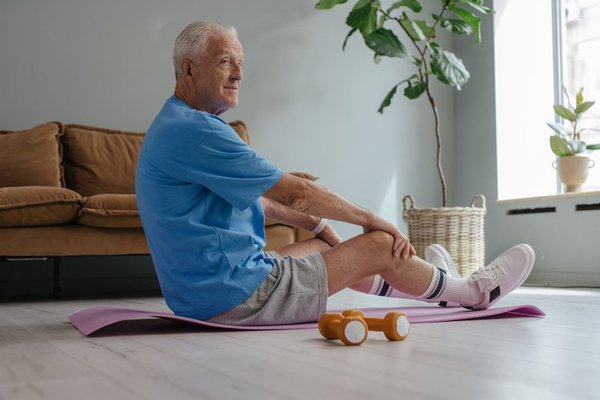
Exercise is often described as something you do for your body, but its effects are not limited to muscles, stamina, or weight. Movement can also support how you feel, think, sleep, and cope with everyday pressure. That does not mean exercise is a cure for anxiety, depression, or ongoing stress. It means regular physical activity can be one useful part of a wider mental wellbeing routine, especially when it is approached without guilt, perfectionism, or an all-or-nothing mindset.
A more helpful question than “How hard should I train?” is “What kind of movement helps me feel a little more settled or energised today?” For one person that may be a brisk walk. For another it could be cycling, swimming, gardening, dancing at home, stretching, or a short strength session.
Why movement can change how you feel
Physical activity affects several systems involved in mood and stress. A single session of moderate-to-vigorous activity can reduce short-term feelings of anxiety for some adults, while regular activity is associated with a lower risk of depression and anxiety. Exercise can also support sleep quality, which matters because poor sleep and low mood can reinforce each other.
There is a practical psychological effect too. When your attention is locked onto worries, repetitive thoughts, or work pressure, movement creates a change of context. Walking outside, following a gentle routine, or completing a few simple exercises gives your mind something immediate and physical to focus on. That shift may not remove the problem, but it can make you feel less mentally stuck.
Exercise for mood does not need to look like a workout
Many people hear “exercise” and picture a gym, running plan, or demanding fitness programme. That can make movement feel like another task to fail at. In reality, physical activity and mental health can be connected through much simpler habits. A walk to the shop, ten minutes of mobility work, active housework, or playing outside with children all count as movement.
This matters on difficult days. Imagine you finish work feeling tense and mentally overloaded. Instead of deciding whether you have enough motivation for a full session, put on comfortable shoes and walk for ten minutes without tracking pace or distance. If you want to continue, you can. If you come home after ten minutes, the activity still counts. That approach turns movement into support rather than a test of discipline.
Exercise and stress: giving physical tension an outlet
Stress is not only a thought process. It can show up physically through tight shoulders, restlessness, headaches, shallow breathing, or difficulty switching off. Exercise and stress management can work well together because movement gives some of that built-up activation somewhere to go.
Rhythmic activities such as walking, jogging, cycling, or swimming may feel good when you are keyed up because they give the body a repeated pattern to follow. Slower movement can help too. Gentle stretching or yoga may suit evenings when you want to transition from a busy day toward rest. If intense exercise leaves you more wired late at night, choose something calmer.
Exercise and anxiety: aim for support, not pressure
For some people, anxiety makes physical sensations such as a fast heartbeat, sweating, or heavy breathing feel uncomfortable. Because exercise can create similar sensations, starting gently may make the experience easier. Walking, light cycling, or short low-impact sessions can help you become familiar with exertion at a pace that feels controlled.
Regular exercise may reduce feelings of anxiety, but it should not become another source of fear or rigid rules. Missing a day does not undo previous benefits. You do not need to “make up” for skipped activity, and more exercise is not automatically better for mental health.
If anxiety is frequent, severe, or interfering with everyday life, exercise can sit alongside professional support rather than replace it. The same applies to persistent low mood, panic symptoms, or other mental health concerns.
How much movement is worth aiming for?
Public-health guidance for adults recommends around 150 to 300 minutes of moderate-intensity aerobic activity per week, or 75 to 150 minutes of vigorous activity, plus muscle-strengthening activity on at least two days. These are broad health targets, not a minimum amount required before movement can support your mood.
Any increase from being inactive can be useful. If you currently move very little, beginning with five or ten minutes at a time may be more sustainable than chasing a weekly target immediately. You can build gradually as your energy, confidence, and routine improve. A simple sign of moderate intensity is breathing faster while still being able to talk.
Build a low-pressure movement routine
Instead of relying on motivation, attach movement to parts of the day that already exist. Walk after lunch, stretch after shutting down your computer, take a longer route when doing an errand, or play one song and move while it lasts. These small cues reduce the number of decisions you have to make.
It can also help to keep two versions of your routine: a normal-day version and a low-energy version. Your normal version might be a 30-minute walk. Your low-energy version might be walking around the block or stretching for five minutes. Both versions protect the habit without turning wellbeing into a performance target.
Natural next topics to explore include sleep and mental wellbeing, practical ways to manage everyday stress, and simple daily wellbeing habits. These areas often overlap with movement because sleep, stress, energy, and routine can influence one another.
FAQ
Can exercise really improve your mood?
It can. Physical activity may reduce short-term feelings of anxiety and can support mood, sleep, and overall wellbeing over time. The effect varies from person to person, so it is better viewed as a helpful tool rather than a guaranteed treatment.
What type of exercise is best for mental health?
There is no single best option. Walking, cycling, swimming, dancing, strength training, yoga, gardening, and many other activities can be useful. The most practical choice is one that suits your body, preferences, schedule, and current energy level.
How often should I exercise for stress relief?
Regular movement is generally more useful than occasional extreme sessions. You might start with short bouts several days a week and gradually build toward standard physical activity guidelines. Even a brief walk can be worthwhile when the alternative is no movement at all.
Can exercise replace therapy or medication?
No. Exercise can support mental health, but it is not a substitute for appropriate treatment when someone needs therapy, medication, or other professional care. If symptoms are persistent, worsening, or affecting daily functioning, speaking with a qualified health professional is sensible.
Make movement something that helps, not something you have to prove
The strongest connection between exercise and mental health often comes from regular, realistic movement rather than ambitious fitness goals. A short walk after a stressful meeting, a swim that gives you mental space, or ten minutes of stretching before bed can all have value. Start with what feels possible, notice how different activities affect your mood and stress, and build from there. The goal is not perfection. It is to create a form of movement that makes everyday life feel a little more manageable.