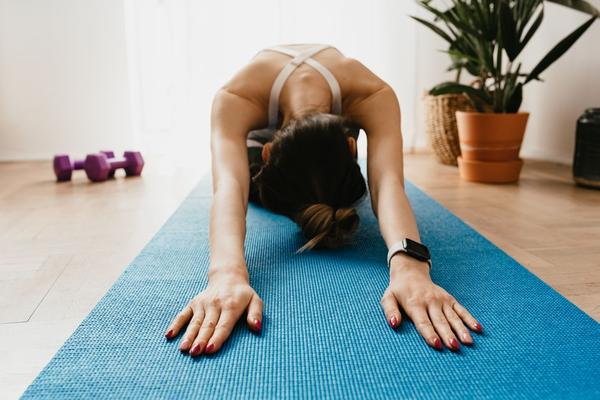
Pilates can look deceptively simple: a slow leg movement, a small pelvic tilt, a pause to breathe. Yet that deliberate pace makes it useful for newcomers. Instead of racing through repetitions, Pilates for beginners teaches you to notice how your body moves and build strength with control. You can start on a mat without buying a reformer or mastering complicated poses.
The goal of your first sessions is not a picture-perfect shape. It is to find movements you can perform comfortably, breathe through and repeat with confidence.
What to expect from your first Pilates session
A beginner class combines breathing, gentle mobility and exercises for the abdomen, back, hips and shoulders. You may spend much of the time lying on your back or side, with some work on hands and knees. Movements often feel smaller than those in a gym workout, but slow repetitions can still challenge your muscles.
You might hear “neutral spine,” “ribcage alignment” or “core engagement.” These are cues, not tests you need to pass immediately. A helpful instructor offers modifications and time to reset between exercises.
Expect muscle effort or mild fatigue, not sharp pain. Pilates may support strength, mobility, balance and body awareness over time, but it is not a guaranteed solution for poor posture or back pain.
What you need to practise Pilates at home
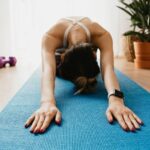
Start with a non-slip exercise mat and enough space to stretch your arms and legs. Wear comfortable clothes. Shoes are generally unnecessary for mat work; bare feet or grippy socks can help you feel stable.
Keep a folded towel nearby to cushion your knees or support your head when appropriate. Choose a beginner-led video with clear modifications rather than a fast routine advertised as an intense core burner. If getting onto the floor is difficult, standing or chair-based Pilates may be more accessible.
There is no need to buy resistance bands, Pilates rings or a reformer before learning the Pilates basics. Those tools can add variety later.
Three movement principles worth learning first
Breathe without bracing too hard
Let your ribs expand as you inhale, then exhale steadily during a demanding movement. You do not need to force your stomach flat or hold your breath. If you cannot breathe smoothly, reduce the difficulty.
Keep movements smaller than you think
A heel sliding a few inches can be more useful than a high leg lift that makes your back arch. Quality matters more than range. Reduce the movement when you lose a comfortable position.
Think support, not stiffness
Core control exercises involve coordinated work from your trunk and surrounding muscles. Aim for gentle engagement while your shoulders, jaw and neck stay relaxed. You should still be able to breathe and move.
Five approachable movements for a beginner Pilates workout
1. Pelvic tilts
Lie on your back with knees bent and feet flat. Exhale as you gently tip your pelvis so your lower back moves slightly toward the mat. Inhale and return to a comfortable position. Try six to eight slow repetitions without pressing forcefully.
2. Knee folds
From the same position, exhale and lift one foot just off the floor while keeping your pelvis reasonably still. Lower it with control, then change sides. Start with four to six lifts per leg. If your back rocks, make the lift smaller.
3. Heel slides
Keep one knee bent as you slowly slide the opposite heel away, then draw it back. Maintain easy breathing and avoid letting your ribs flare upward. This practises coordinating your legs and trunk without lifting both feet.
4. Gentle bridges
With feet hip-width apart and knees bent, exhale and lift your hips a modest distance. Pause briefly before lowering with control. Push evenly through both feet rather than arching your back as high as possible. Begin with five repetitions.
5. Side-lying leg lifts
Lie on your side with your lower knee bent for stability. Keeping your hips stacked, lift your upper leg a short distance, then lower slowly. Try five lifts on each side. Aim for control, not a high kick.
These examples are not a rehabilitation programme. Skip any movement that causes discomfort, and seek qualified instruction if you are unsure about technique.
A realistic 12-minute starting routine
Imagine arriving home after a day at your desk with little energy for a full workout. Lay out your mat and spend two minutes breathing and gently moving your shoulders and pelvis. Follow with two minutes each of pelvic tilts, alternating knee folds, heel slides, bridges and comfortable stretching or rest.
Move slowly and take breaks; these blocks are flexible, not targets for nonstop repetitions. On another day, swap bridges for side-lying leg lifts. This introduces Pilates at home while leaving room to learn each skill.
For your first couple of weeks, two or three short sessions may be easier to sustain than daily intensive classes. Gradually extend sessions as movements become familiar. Pilates can complement walking or other activities. A guide to low-impact workouts or a simple weekly exercise routine can offer more ideas.
How to tell when you are ready to progress
Progress does not immediately mean harder exercises. Notice whether you can move without holding your breath, keep your balance during position changes and repeat movements with less strain. Those are useful signs of improving control.
When a movement feels consistent, add a repetition or slightly increase its range. Change one variable at a time. A beginner mobility routine can complement your sessions if you feel stiff, but never force a stretch.
If you have an injury, ongoing pain, significant health condition, recent surgery, or are pregnant or recently postpartum, ask a qualified healthcare professional about suitable exercise. Stop if you develop pain, dizziness or feel unwell. An experienced instructor can help adapt movements.
Frequently asked questions
Is Pilates suitable for someone who has never exercised?
Many people can begin with gentle, modified Pilates, but the right level depends on individual health and mobility. Choose beginner instruction and take breaks when needed.
Do I need strong abs before starting?
No. Beginner Pilates helps you practise coordination and gradually challenge the muscles that support movement. You do not need a strong core for your first class.
Is mat Pilates easier than reformer Pilates?
Not necessarily. A reformer provides spring resistance and support, while mat work uses body weight and gravity. Either format can be adapted for beginners with appropriate instruction.
How soon will I notice results?
There is no fixed timetable. Breathing and movements may feel more familiar fairly quickly, while strength or mobility changes generally require consistent practice. Focus on control rather than dramatic promises.
Start small and make the movements yours
The most useful beginner Pilates session is one you can complete with attention and without unnecessary strain. Begin with a mat, simple movements and permission to pause. As breathing and movement control become natural, explore longer classes and greater challenges at your own pace.