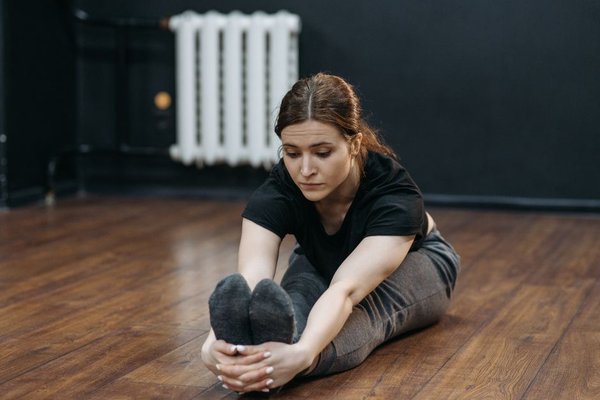
The last rep or final running interval may feel like the end of a workout, but your breathing and heart rate can remain elevated afterward. A few minutes of gentler movement help you shift from exercise to rest without an abrupt stop. That is the purpose of cool down exercises after workout sessions: a controlled finish, not another challenge.
A practical cool-down has two parts. First, reduce your exercise intensity. Then, if comfortable, stretch the muscles you have used. You need neither special equipment nor complicated poses.
Start by slowing down rather than stopping
During exercise, your heart pumps faster and blood vessels in active muscles widen. Stopping suddenly after vigorous activity can make some people light-headed while circulation and blood pressure adjust. Easy movement allows a more gradual transition.
Aim for roughly five to ten minutes of low-intensity activity. You should be able to speak in complete sentences as your breathing settles. There is no need to reach a specific heart-rate number.
Match the movement to your workout. After running, slow to a gentle jog and then walk. After cycling, pedal with little resistance. After a brisk walk, reduce your pace. After swimming, finish with easy laps rather than climbing out immediately after hard intervals.
Add gentle stretches once your breathing settles
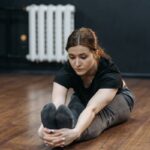
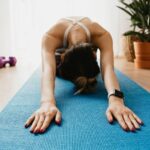
Stretching after workout activity can help develop flexibility, especially when practiced consistently. Choose the muscles you have trained and hold each position for around 15 to 30 seconds. Breathe normally, avoid bouncing and stop before pain. Stretching is optional; it is not a proven cure for next-day soreness.
Calf stretch for runners and walkers
Face a wall with your hands resting against it. Step one foot back, keep that heel down and bend the front knee until you feel mild tension in the rear calf. Change sides. If the heel lifts, shorten your stance instead of forcing it down.
Quadriceps stretch for the front of the thighs
Stand beside a sturdy support, bend one knee and bring your heel gently toward your buttock. Hold your ankle if comfortable, keeping your torso upright and knees fairly close. Avoid pulling forcefully or arching your lower back. A side-lying version works if balance is difficult.
Hamstring stretch without rounding your back
Place one heel on a low, stable step, leaving that knee slightly bent. Hinge forward from your hips with your back long until you feel a gentle stretch behind the thigh. There is no need to grab your toes. Repeat on the other leg.
Hip flexor stretch after cycling
Take a short split stance, soften your front knee and gently tuck your pelvis under. Shift forward slightly until you feel tension at the front of the rear hip. Keep the movement controlled and use a wall for balance if necessary.
Chest and shoulder stretches after upper-body work
For your chest, rest a forearm against a doorway and turn slightly away. For the back of your shoulder, bring one arm across your chest and support it with the opposite hand. Neither movement should pinch a joint. These are useful options after pressing, rowing or swimming.
Allow your breathing to settle naturally
As you finish walking, relax your shoulders and hands. Let your breathing slow naturally; once comfortable, take a few gentle breaths without forcing unusually deep inhalations. Avoid holding your breath during stretches, especially while still winded.
Chest pain, faintness or unusual shortness of breath are not signs to push through. Stop and seek appropriate medical assistance if concerning symptoms occur. Anyone with a relevant medical condition should follow their clinician’s exercise guidance.
Try this simple post workout cool down
Imagine finishing a 30-minute treadmill run. Spend two minutes reducing your speed to an easy walk. Continue for another three to five minutes until conversation feels comfortable. Step off carefully and stretch your calves, quadriceps and hamstrings for about 20 seconds per side.
After strength training, walk around the room for several minutes instead. Then choose two or three stretches for the muscles you trained. After leg day, focus on calves, hips or thighs; after upper-body work, consider chest and shoulders.
At home, marching gently in place can work when space is limited. The goal is a repeatable habit rather than an elaborate sequence. For the beginning of your session, a warm-up exercises guide is a useful companion to this routine.
What cooling down can and cannot achieve
Slower movement lets heart rate and blood pressure gradually move toward resting levels. Stretching can help maintain or improve range of motion over time. Those are sensible reasons to make room for a cool down routine.
Evidence is less clear that cooling down prevents delayed-onset muscle soreness or reduces injury risk. Feeling stiff tomorrow does not necessarily mean you finished incorrectly. Sleep, sufficient food and fluids, rest and appropriately progressive training also matter for exercise recovery.
You do not have to stretch every muscle after every session. Select movements that suit your activity and personal flexibility goals. If soreness regularly disrupts training, review your exercise load and recovery days rather than simply adding more stretches.
Mistakes that undermine a comfortable finish
Do not turn your cool-down into another intense circuit. Fast jumping jacks or vigorous mobility drills may keep your effort high. Equally, avoid dropping straight onto the floor after hard intervals, particularly if you feel light-headed. Start with gradual movement.
Sharp pain, tingling or joint pressure are reasons to stop stretching. Do not bounce or force an unfamiliar range of motion. If you are injured, pregnant, recovering from surgery or managing a medical condition, ask a qualified professional which exercises suit you.
Frequently asked questions
How long should I cool down after exercise?
About five to ten minutes of increasingly easy movement is a practical starting point after aerobic exercise. Add brief stretches if you want to work on flexibility. More demanding sessions may warrant a gradual transition.
Do I need to stretch after every workout?
No. Stretching supports flexibility, but it is not mandatory after every session. If time is limited, prioritize lowering exercise intensity after vigorous activity.
Will a cool-down prevent muscle soreness?
Not reliably. Studies have not consistently found that cooling down or stretching prevents delayed-onset muscle soreness. Sensible recovery habits and training progression matter more than any single finishing exercise.
Should I cool down after lifting weights?
A short walk can provide a comfortable transition after lifting. Let your breathing settle, then stretch trained muscles if you find it helpful. A long routine is unnecessary.
Make the transition part of the workout
The best finish is simple enough to repeat. Ease your pace, let your breathing settle and use comfortable stretches when helpful. Giving yourself a few minutes between hard work and complete rest can make the end of each session feel more deliberate and manageable.