
The heart works quietly in the background, beating through busy mornings, stressful afternoons, long walks, late dinners, and ordinary days we barely remember. Most of the time, we do not think about it unless something feels wrong. Yet the choices we make at the table can influence how well this hardworking organ is supported over time.
Heart-healthy foods are not rare, expensive, or complicated. They are often the same simple foods people have eaten for generations: oats, beans, leafy greens, fish, fruit, nuts, seeds, and good-quality oils. The challenge is not always knowing what is healthy. It is learning how to build those foods into real life without turning every meal into a strict rulebook.
Eating for heart health does not mean chasing perfection. It means choosing foods that help support healthy cholesterol levels, blood pressure, circulation, energy, and overall cardiovascular function. Small daily choices can add up, especially when they become part of a routine you actually enjoy.
What Makes a Food Good for the Heart?
A heart-supportive diet usually includes foods rich in fiber, healthy fats, antioxidants, minerals, and natural plant compounds. These nutrients work in different ways. Some help the body manage cholesterol. Some support blood vessel health. Others help reduce the impact of too much sodium, added sugar, or heavily processed food.
Heart-healthy foods tend to be close to their natural form. They are not usually hidden behind long ingredient lists or overloaded with salt, refined oils, and added sugars. A bowl of lentils, a handful of walnuts, a plate of roasted vegetables, or a serving of grilled fish may look simple, but these foods bring real nutritional value.
The goal is balance. A single food will not protect the heart on its own, just as one indulgent meal will not ruin your health. What matters most is the pattern you repeat most often.
Oats and Whole Grains for Steady Support
Oats have earned their place in heart-conscious eating because they contain a type of soluble fiber that helps support healthy cholesterol levels. A warm bowl of oats in the morning may seem plain, but with fruit, cinnamon, seeds, or a little yogurt, it becomes a filling meal that keeps energy steady.
Whole grains such as brown rice, barley, whole wheat, quinoa, and whole-grain bread can also be part of a heart-friendly diet. Unlike refined grains, whole grains keep more of their natural fiber and nutrients. That makes them more satisfying and gentler on blood sugar levels.
The key is to choose whole grains most of the time rather than making refined bread, white rice, pastries, and sugary cereals the everyday base of meals. You do not have to remove familiar foods completely. Even replacing part of a refined grain meal with a whole-grain option can be a meaningful shift.
Beans, Lentils, and Chickpeas as Everyday Heroes
Beans and lentils are humble foods, but they are powerful in a quiet way. They contain fiber, plant-based protein, minerals, and slow-digesting carbohydrates. They are filling, affordable, and easy to use in soups, curries, salads, stews, and rice dishes.
For heart health, legumes are especially useful because they can replace some meals that might otherwise be heavy in processed meats or high-fat animal products. A lentil soup, chickpea curry, or bean salad can feel comforting without being heavy.
They also help with fullness. When meals keep you satisfied for longer, it becomes easier to avoid constant snacking on salty or sugary foods. That alone can support better eating habits over time.
Fatty Fish and Omega-3 Fats
Fatty fish such as salmon, sardines, trout, mackerel, and tuna are often linked with heart health because they contain omega-3 fats. These fats are known for supporting cardiovascular function and are one reason fish is commonly included in heart-friendly eating patterns.
Fish does not need to be fancy. A simple grilled or baked fish meal with vegetables and whole grains can be both nourishing and satisfying. Sardines or tuna can also be added to salads or whole-grain toast for a quick meal.
For people who do not eat fish, walnuts, chia seeds, flaxseeds, and certain plant oils can provide plant-based omega-3 fats. They are not exactly the same as the omega-3s found in fish, but they can still contribute to a balanced diet.
Nuts and Seeds in Small, Useful Portions
Nuts and seeds are small but nutrient-dense. Almonds, walnuts, pistachios, sunflower seeds, chia seeds, pumpkin seeds, and flaxseeds provide healthy fats, fiber, protein, and minerals. They can add crunch and richness to meals without needing much preparation.
Because nuts and seeds are calorie-dense, portions matter. A small handful is often enough. Sprinkling seeds over oatmeal, yogurt, salad, or soup can make a simple meal more satisfying.
Walnuts are especially popular in conversations about heart-healthy foods because of their fat profile. Flaxseeds and chia seeds are also useful because they offer fiber along with plant-based omega-3s. The best approach is variety, not relying on one seed or nut as a magic solution.
Fruits That Bring Fiber and Color
Fruit supports heart health in a gentle, enjoyable way. Berries, apples, oranges, pomegranates, grapes, bananas, and pears all bring different nutrients to the table. Many fruits contain fiber, antioxidants, potassium, and water, making them a better choice than many sweet processed snacks.
Berries are often appreciated because they are rich in plant compounds and pair well with breakfast foods. Apples and pears provide soluble fiber. Citrus fruits bring brightness and vitamin C. Bananas offer potassium, which plays a role in fluid balance and healthy blood pressure.
Fruit is not something to fear because it contains natural sugar. Whole fruit comes packaged with fiber and water, which changes how it feels in the body. Fruit juice, on the other hand, is easier to overconsume, so whole fruit is usually the better everyday choice.
Leafy Greens and Colorful Vegetables
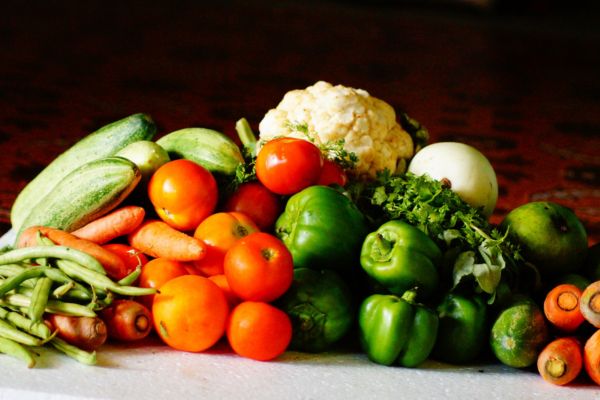
Vegetables are central to a heart-friendly way of eating. Leafy greens such as spinach, kale, mustard greens, lettuce, and fenugreek leaves provide vitamins, minerals, and plant compounds. Colorful vegetables like carrots, tomatoes, bell peppers, cabbage, eggplant, and beetroot add variety and texture.
Vegetables help fill the plate without making meals feel too heavy. They also encourage better balance because they pair well with proteins, grains, and healthy fats. A meal with vegetables naturally feels more complete.
The easiest way to eat more vegetables is not always by making salads. Cooked vegetables, soups, stir-fries, curries, roasted trays, and blended sauces can all work. Heart-healthy eating should fit your kitchen, not someone else’s perfect meal photo.
Healthy Oils and Better Fat Choices
Fat is not the enemy of heart health. The type of fat matters. Unsaturated fats, found in foods like olive oil, nuts, seeds, avocado, and fish, are generally better everyday choices than large amounts of saturated or trans fats from heavily processed foods.
Using a moderate amount of healthy oil can make vegetables and grains more enjoyable. A little olive oil on roasted vegetables, seeds in a salad, or avocado with whole-grain toast can help a meal feel satisfying.
At the same time, deep-fried foods, packaged snacks, and baked goods made with poor-quality fats are better kept occasional. They can be tasty, and enjoying them sometimes is normal, but they should not become the foundation of daily eating.
Reducing Salt, Sugar, and Ultra-Processed Foods
Eating more heart-healthy foods is only one side of the picture. It also helps to reduce foods that can make the heart work harder over time. Too much salt can affect blood pressure in many people. Too much added sugar can make it harder to maintain steady energy and a healthy weight. Ultra-processed foods often combine salt, sugar, refined carbohydrates, and unhealthy fats in a way that encourages overeating.
This does not mean every packaged food is bad. Life is busy, and convenience matters. But reading labels, cooking more at home when possible, and choosing simpler ingredients can make a difference.
A useful approach is to add before you subtract. Add vegetables to lunch. Add beans to dinner. Add fruit as a snack. Add oats a few mornings a week. As nourishing foods become more regular, less helpful foods often naturally take up less space.
Making Heart-Healthy Eating Feel Realistic
The best heart-supportive diet is not the one that looks perfect for a week. It is the one that can continue for months and years. That means meals should be satisfying, familiar, and flexible.
A heart-friendly breakfast might be oats with fruit and seeds. Lunch might be lentils with rice and salad. Dinner might be fish with vegetables or beans with whole-grain bread. Snacks might include fruit, yogurt, nuts, or roasted chickpeas. None of this has to be complicated.
Food is also emotional and cultural. People eat with family, celebrate with sweets, share meals during holidays, and find comfort in familiar dishes. A healthy diet should leave room for that. The heart benefits not only from nutrients but also from a life that feels less stressful and more balanced.
Conclusion
Heart-healthy foods are not about strict dieting or giving up everything you enjoy. They are about building a pattern of eating that supports your cardiovascular system in a steady, realistic way. Whole grains, beans, lentils, fish, nuts, seeds, fruits, vegetables, and healthier fats all bring something valuable to the table.
The real power is in consistency. One bowl of oats or one salad will not transform health overnight, but repeated choices can gently reshape the way the body feels and functions. Eating for the heart is not a punishment. It is a form of care, practiced quietly through everyday meals.
In the end, heart health begins with attention. When you choose foods that nourish rather than simply fill you up, you give your heart the kind of support it deserves, one meal at a time.