
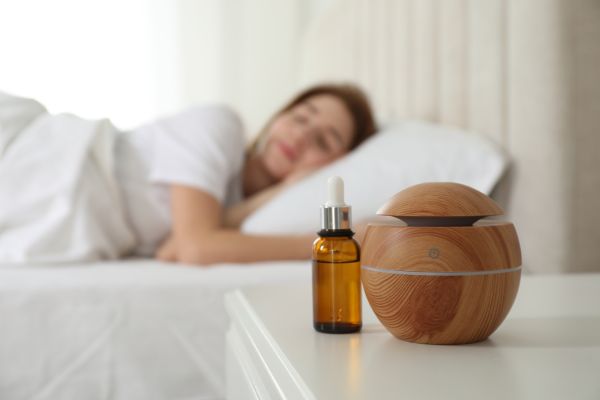
Sleep should feel simple. The lights go off, the body softens, the mind settles, and the night takes over. Yet for many people, bedtime has become the opposite of peaceful. Thoughts keep running. The body feels tired but strangely alert. A phone screen, a stressful day, a late cup of coffee, or just the habit of overthinking can make rest feel farther away than it should.
This is one reason many people turn to essential oils for sleep. They are not magic drops that erase every sleep problem, but they can help create a calmer nighttime atmosphere. Their scents work gently, often through association and relaxation, helping the mind understand that the day is finished. Used thoughtfully, essential oils can become part of a soothing bedtime ritual that makes sleep feel more inviting.
Why Scent Can Influence Sleep
Smell is deeply connected to memory, mood, and emotion. A familiar scent can bring back a childhood kitchen, a rainy garden, or a quiet place you once visited years ago. This connection is one reason aromatherapy is often used for relaxation. When a calming scent becomes part of a nightly routine, the brain may begin to associate it with slowing down.
Essential oils are concentrated plant extracts made from flowers, leaves, bark, roots, citrus peels, or herbs. Their aromas vary widely. Some feel floral and soft, while others are earthy, fresh, woody, or slightly sweet. For sleep, the most useful oils are usually the ones that encourage calm rather than stimulation.
Of course, sleep is affected by many things. Stress, pain, room temperature, irregular schedules, caffeine, and screen exposure can all interfere with rest. Essential oils work best when they support healthy habits rather than replace them. Think of them as a gentle background note in a larger nighttime routine.
Lavender: The Classic Sleep Oil
Lavender is probably the most famous essential oil for sleep, and for good reason. Its scent is soft, floral, and familiar, with a slightly herbal edge that keeps it from feeling too sweet. Many people find lavender comforting because it has a quiet, clean quality. It does not demand attention. It simply settles into the room.
Lavender can be used in a diffuser before bed, added to a pillow spray, or diluted with a carrier oil for a gentle hand or foot massage. Some people like placing a drop on a tissue near the bedside instead of applying it directly to fabric or skin. The key is not to overdo it. A strong scent can become distracting, especially in a small bedroom.
For people new to essential oils, lavender is often a good starting point. It blends well with many other calming oils and usually fits easily into a nighttime routine.
Chamomile for a Softer Evening Mood
Chamomile is another gentle favorite. Many people already associate chamomile with bedtime because of herbal tea, and the essential oil has a similar sense of softness. Roman chamomile, in particular, is often used in calming blends because its aroma feels warm, slightly sweet, and apple-like.
Chamomile may be especially helpful on nights when the mind feels emotionally unsettled. It gives a sense of comfort, like a quiet blanket at the end of a long day. Blended with lavender or sandalwood, it can create a peaceful scent that feels less like perfume and more like rest.
Because chamomile oil can be expensive compared with some other oils, it is often used in small amounts. Even one or two drops in a blend may be enough to soften the overall aroma.
Cedarwood and Sandalwood for Grounding the Mind
Not everyone enjoys floral scents at bedtime. Some people prefer aromas that feel deeper and more grounded. Cedarwood and sandalwood are often good choices for this. They have warm, woody notes that can make a bedroom feel steady, quiet, and protected from the noise of the day.
Cedarwood has a dry, earthy scent that pairs beautifully with lavender, bergamot, or frankincense. It can be useful when the mind feels scattered and restless. Sandalwood is smoother and creamier, often used in meditation and relaxation practices. Its scent lingers softly, making it suitable for slow evening routines.
These oils are especially nice during colder months, when bright, fresh scents may feel less comforting. A woody blend can give the room a cozy, settled feeling without being heavy.
Bergamot for Stressful Nights
Bergamot is a citrus oil, but unlike sharp lemon or grapefruit, it has a softer, more rounded aroma. It is fresh but not overly bright. This makes it useful for evenings when stress is the main reason sleep feels difficult.
Many people enjoy bergamot because it feels emotionally uplifting while still being calming. It can help shift the mood after a tense day, especially when blended with lavender, frankincense, or ylang-ylang. However, bergamot deserves a small safety note. Some types can increase skin sensitivity to sunlight if applied topically, so it is best used carefully and properly diluted. For bedtime, diffusion is often the simplest method.
When using citrus oils at night, less is usually better. The goal is not to energize the room but to gently clear emotional heaviness.
Frankincense for a Quiet Bedtime Ritual
Frankincense has a resinous, warm, slightly spicy scent that many people connect with meditation and stillness. It does not smell like a typical “sleep oil,” but it can be deeply relaxing for those who enjoy earthy or spiritual aromas.
This oil works well in a slow bedtime ritual. A few drops in a diffuser during gentle stretching, journaling, or breathing exercises can help create a transition between daytime activity and nighttime rest. Frankincense is also lovely in diluted massage blends, especially when combined with sandalwood or lavender.
Its scent feels spacious, almost like it invites the breath to deepen. That can be helpful for people who carry tension in the chest, shoulders, or jaw before bed.
How to Use Essential Oils Safely at Night
Essential oils are natural, but they are also highly concentrated. Using them safely matters. Most essential oils should not be applied directly to the skin without dilution. A carrier oil such as coconut, almond, jojoba, or olive oil can reduce the risk of irritation. A common approach is to use a small amount of essential oil in a larger amount of carrier oil, especially for massage.
Diffusers are a popular option because they spread scent into the air without direct skin contact. It is usually enough to run a diffuser for a short time before sleep rather than leaving it on all night. A lightly scented room is more relaxing than an overpowering one.
Essential oils should not be swallowed unless under professional guidance. They should also be kept away from the eyes, young children, and pets. Some oils are not suitable during pregnancy or for people with asthma, allergies, epilepsy, or certain medical conditions. When in doubt, a cautious approach is best.
Creating a Simple Nighttime Routine
The real value of essential oils for sleep often comes from routine. A scent becomes more powerful when it is connected to repeated calming habits. For example, you might dim the lights, put your phone away, diffuse lavender and cedarwood, drink warm herbal tea, and read a few pages of a book. Over time, the body begins to recognize these steps as signals that rest is coming.
A bedtime routine does not need to be complicated. In fact, it works better when it feels easy. A few minutes of quiet breathing, a warm shower, or a gentle foot massage with diluted oil can be enough. The goal is to create a small pause between the pressure of the day and the stillness of night.
It also helps to use the same oil or blend consistently. Changing scents every night can be enjoyable, but repetition builds association. Your brain learns, “This smell means sleep.”
Choosing the Right Oil for Your Sleep Style
The best essential oil depends on what keeps you awake. If your mind feels busy, lavender, frankincense, or cedarwood may help create calm. If emotions feel heavy, chamomile or bergamot may be more comforting. If the bedroom feels cold or tense, sandalwood and cedarwood can add warmth. If you simply want a clean, classic bedtime scent, lavender is hard to beat.
Personal preference matters more than trends. An oil that is popular will not help much if you dislike the smell. Sleep requires comfort, not performance. The right scent should feel pleasant enough that you barely think about it after a few minutes.
It is also wise to start with one oil before mixing several together. Once you understand how each scent affects you, blending becomes easier and more intuitive.
Conclusion
Essential oils for sleep can bring a gentle sense of calm to the end of the day. They do not replace good sleep habits, but they can support them beautifully. Lavender, chamomile, cedarwood, sandalwood, bergamot, and frankincense each offer a different kind of nighttime comfort, from floral softness to grounded warmth.
Better sleep often begins with small signals. A quieter room. A slower breath. A familiar scent that tells the body it is safe to let go. Essential oils can become part of that message, helping bedtime feel less like a struggle and more like a return to rest. Used with care, they offer a natural and comforting way to make the night feel softer, calmer, and easier to welcome.