
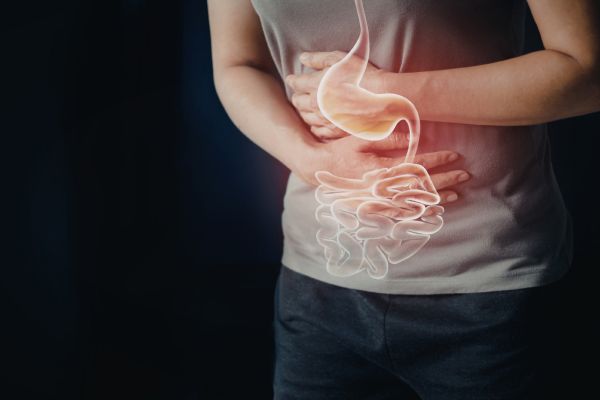
Digestive health is one of those things people often ignore until it starts interrupting daily life. A heavy feeling after meals, bloating that makes clothes feel tighter, irregular bowel movements, burning in the chest, or that uncomfortable “something is off” feeling can make even a normal day feel tiring. The digestive system works quietly in the background, but when it struggles, the whole body seems to notice.
Digestive health improvement is not about chasing a perfect gut or following every new wellness trend. It is about supporting the body’s natural rhythm with habits that are simple enough to repeat. Food matters, of course, but digestion is also shaped by hydration, movement, sleep, stress, meal timing, and even how slowly we chew. Small choices, repeated consistently, often make the biggest difference.
Before going deeper, it is worth saying this clearly: ongoing pain, unexplained weight loss, blood in stool, repeated vomiting, difficulty swallowing, severe constipation, persistent diarrhea, or symptoms that keep getting worse should be discussed with a healthcare professional. Home habits can support digestion, but they should not delay proper medical care when warning signs appear.
Understanding How Digestion Really Works
Digestion begins before food even reaches the stomach. The smell of food, the first bite, and the act of chewing all signal the body to prepare. Saliva begins breaking food down, the stomach mixes it with acid and enzymes, and the intestines absorb nutrients while moving waste along.
When this process runs smoothly, we barely think about it. But when meals are rushed, fiber is low, water intake is poor, sleep is irregular, or stress is high, digestion can become sluggish or sensitive. The gut is not separate from the rest of the body. It responds to emotions, hormones, activity levels, and daily routines.
That is why improving digestion usually works best as a full lifestyle approach. A person may add more vegetables but still feel bloated if they eat too quickly or sleep poorly. Someone else may drink plenty of water but struggle because they barely move during the day. The digestive system prefers balance, not extremes.
Eating More Fiber Without Overdoing It
Fiber is one of the most important nutrients for digestive health. It helps support regular bowel movements, feeds helpful gut bacteria, and keeps meals more satisfying. Fruits, vegetables, beans, lentils, oats, brown rice, whole wheat, nuts, seeds, and legumes are all good sources.
Still, there is a common mistake: increasing fiber too quickly. A sudden jump from low-fiber eating to large bowls of beans, raw vegetables, and bran cereal can lead to gas, bloating, and discomfort. The better approach is gradual. Add one fiber-rich food at a time and give the body a chance to adjust.
For example, someone might begin with oats at breakfast, then add lentils a few days later, then include an apple with the skin, then increase vegetables at dinner. This slower rhythm is easier on the gut. It also feels less like a strict diet and more like normal eating with better structure.
Hydration Helps Fiber Do Its Job
Fiber needs fluid to work well. Without enough water, a high-fiber diet may actually make constipation worse. Hydration helps soften stool and supports the movement of waste through the intestines.
This does not mean a person has to drink water constantly all day. But it does help to build a steady habit: a glass of water after waking, water with meals, and extra fluids during hot weather or physical activity. Soups, fruits, herbal teas, and water-rich vegetables can also contribute.
Some people drink plenty of tea, coffee, or sugary drinks and assume they are hydrated. While these may add fluid, plain water still deserves a regular place in the day. Digestion tends to do better when the body is not running slightly dry all the time.
Slowing Down at Mealtimes
Many digestive problems are made worse by speed. Eating quickly means larger pieces of food reach the stomach, more air is swallowed, and the brain has less time to register fullness. The result may be bloating, heaviness, burping, or overeating without meaning to.
Chewing slowly sounds almost too basic, but it is powerful. It gives saliva time to begin digestion and reduces the workload on the stomach. Sitting down for meals, avoiding huge bites, and pausing between mouthfuls can make food feel more comfortable.
A calm meal does not have to be fancy. Even ten or fifteen minutes of eating without rushing can change how the body responds. Digestion likes signals of safety. When a person eats while stressed, standing, scrolling, or hurrying out the door, the gut may not perform at its best.
Building a Gut-Friendly Plate
A balanced plate is one of the easiest ways to support digestive health improvement without counting every gram of food. A good meal often includes vegetables, a source of protein, a whole-grain or starchy food, and a small amount of healthy fat.
Protein supports repair and fullness. Whole grains and vegetables bring fiber. Healthy fats from olive oil, nuts, seeds, avocado, or fish can help meals feel satisfying. Fermented foods such as yogurt with live cultures, kefir, kimchi, sauerkraut, or traditional fermented dishes may also support gut bacteria for some people.
However, not every “healthy” food suits every stomach. Some people feel bloated after beans, onions, dairy, spicy foods, or certain fruits. That does not mean the food is bad. It may simply mean the gut is sensitive to it, or the amount needs adjusting. Paying attention is often better than blindly following food trends.
The Role of Probiotics and Prebiotics
Probiotics are beneficial bacteria found in certain fermented foods and supplements. Prebiotics are fibers and compounds that feed helpful gut bacteria. In simple terms, probiotics add friendly microbes, while prebiotics help nourish the ones already living in the gut.
Foods such as yogurt, kefir, fermented vegetables, oats, bananas, onions, garlic, asparagus, legumes, and whole grains can all play a role in supporting the gut microbiome. For most healthy adults, food-based choices are a sensible place to begin.
Supplements are more complicated. A probiotic that helps one person may do little for another because different strains affect the body differently. People with weak immune systems, serious illness, or recent surgery should speak with a healthcare professional before using probiotic supplements. Natural does not automatically mean safe for everyone.
Movement Keeps the Gut Active
The digestive system was not designed for a completely still life. Physical activity helps stimulate intestinal movement, supports metabolism, reduces stress, and can ease constipation for many people.
Walking is especially useful because it is gentle and easy to fit into daily life. A short walk after meals may help reduce heaviness and support smoother digestion. Stretching, yoga, cycling, swimming, and light strength training can also be helpful.
The goal is not to exercise aggressively right after eating. That may make some people uncomfortable. Instead, think of movement as a daily digestive support. A body that moves regularly often has a gut that moves more regularly too.
Stress and the Gut Are Closely Connected
Most people have felt the gut-stress connection at some point. Nervousness can cause nausea. Anxiety can trigger cramps. Stress can change appetite, bowel habits, and stomach comfort. This happens because the brain and gut communicate constantly through nerves, hormones, and chemical signals.
Managing stress does not mean eliminating every problem from life. That is not realistic. It means creating small moments where the nervous system can settle. Slow breathing, prayer, journaling, walking outside, gentle stretching, or quiet time away from screens can all help.
For people with irritable bowel symptoms, stress may not be the only cause, but it can strongly influence flare-ups. A calmer routine may not solve everything, but it often lowers the intensity of digestive discomfort.
Sleep Gives the Digestive System a Rhythm
Poor sleep can disturb digestion in subtle ways. It may increase cravings, affect hunger hormones, worsen stress, and change bowel habits. Late nights often lead to late meals, extra snacking, more caffeine, and less movement the next day.
A regular sleep schedule supports the body’s internal clock, including digestive rhythm. Eating very heavy meals close to bedtime can worsen reflux or discomfort for some people. Leaving a little space between dinner and sleep may help the stomach settle.
Good sleep is not only about digestion, of course. But when sleep improves, many other habits become easier. People often make better food choices, feel less stressed, and have more energy to move.
Knowing Your Personal Triggers
Digestive health is personal. Some people feel great after spicy food; others get heartburn. Some tolerate milk easily; others feel bloated. Some do well with raw salads; others need cooked vegetables. There is no single perfect digestive diet for everyone.
A food and symptom journal can help identify patterns. The goal is not to become fearful of food. It is to notice connections. If discomfort always follows a certain meal, large portion, late-night snack, or stressful situation, that information is useful.
Elimination diets should be handled carefully, especially if they remove many foods. Over-restricting can reduce nutrient intake and create unnecessary anxiety around eating. When symptoms are frequent or confusing, a dietitian or healthcare provider can help guide the process.
When Digestive Symptoms Need Attention
Occasional bloating or indigestion is common, but some symptoms deserve medical evaluation. Blood in stool, black stools, severe abdominal pain, persistent vomiting, unexplained weight loss, ongoing diarrhea, long-lasting constipation, trouble swallowing, or anemia should not be ignored.
It is also important to seek help when symptoms interfere with normal life. If digestion controls where someone goes, what they eat, how they sleeps, or how they works, it is time to look deeper. Conditions such as reflux disease, ulcers, celiac disease, inflammatory bowel disease, gallbladder problems, infections, and irritable bowel syndrome may require proper diagnosis and care.
Healthy habits are valuable, but they are not a substitute for answers when the body is clearly asking for attention.
Making Digestive Health Improvement Realistic
The most effective digestive changes are usually the ones a person can actually keep doing. Drinking more water, adding one extra vegetable serving, walking after dinner, eating more slowly, and going to bed at a reasonable time may sound simple. That is the point. Simple habits are easier to repeat.
Trying to fix digestion overnight often leads to frustration. A sudden strict diet, too many supplements, or extreme detox plans can make the gut more unsettled. The digestive system responds better to patience.
Start with one or two changes. Notice how the body reacts. Then adjust. Improvement often comes quietly, through fewer uncomfortable days, better bathroom regularity, lighter meals, and more trust in the body’s rhythm.
Conclusion
Digestive health improvement is not about perfection. It is about creating conditions where the gut can do its job with less strain. Fiber, water, movement, calm meals, better sleep, and stress control may seem ordinary, but together they form a strong foundation for better digestion.
The digestive system is deeply connected to daily life. It notices what we eat, how fast we eat, how much we move, how we sleep, and how much stress we carry. When those patterns become more balanced, digestion often becomes more comfortable too.
A healthier gut does not usually come from one dramatic change. It comes from steady, thoughtful habits that respect the body’s pace. And perhaps that is the most useful expert tip of all: listen to your digestion, support it gently, and take symptoms seriously when they ask for more care.