
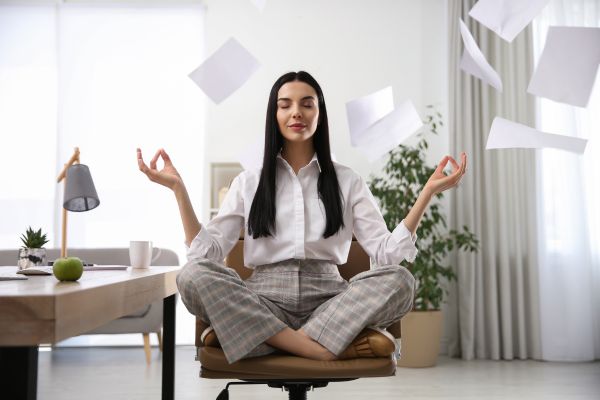
When Stress Needs a Softer Landing
Stress has a way of arriving without much warning. One minute you are answering a message, making tea, sitting in traffic, or trying to finish a simple task. The next minute your shoulders are tight, your thoughts are moving too fast, and even small things feel heavier than they should. It is not always dramatic. Sometimes stress is just that low buzz in the background, the feeling that your mind has too many open tabs.
That is where quick stress relief activities can help. They are not meant to solve every problem in your life in five minutes. They are not magic tricks, and they do not replace deeper rest, therapy, medical care, or meaningful lifestyle changes when those are needed. But they can give your nervous system a small pause. And sometimes, a small pause is exactly what lets you come back to yourself.
Why Quick Relief Actually Matters
A lot of people ignore stress until it becomes impossible to ignore. They push through, tell themselves they are fine, and wait for the weekend or a holiday to finally breathe. The trouble is that stress does not always wait politely. It can show up in the body as a headache, a tight jaw, stomach discomfort, restless sleep, impatience, or that strange sense of being tired but wired.
Quick relief matters because it interrupts the build-up. A few minutes of intentional calming can stop stress from turning into a full emotional spiral. It gives your body a signal that you are not in immediate danger, even if your inbox, responsibilities, or personal worries are shouting otherwise.
These small practices also build trust with yourself. You begin to notice, “I can do something when I feel overwhelmed.” That shift may sound simple, but it is powerful. Stress feels less frightening when you know you have a few reliable ways to steady yourself.
Start With One Deep Exhale
One of the fastest ways to begin calming down is to lengthen your exhale. When people talk about breathing for stress, they often focus on taking a big inhale. But the exhale is where the body often finds its first little release.
Try breathing in gently through your nose, then exhaling slowly through your mouth as if you are fogging a mirror. Do it again, but this time make the exhale a little longer. You do not need to count perfectly. You do not need to sit in a special position. You can do this at your desk, in the bathroom, before a phone call, or while standing in a quiet corner.
The beauty of this practice is how ordinary it is. Nobody has to know you are doing it. It asks for almost nothing, yet it can soften the nervous system in a surprisingly direct way.
Change the Scene for Two Minutes
Sometimes the mind feels stuck because the body has been in the same place for too long. If you are sitting, stand up. If you are indoors, step near a window. If you have been staring at a screen, look at something across the room. This tiny change gives your brain a new signal: the moment is shifting.
A short walk can be especially helpful. It does not need to be a workout. Even walking slowly from one room to another, stepping outside for fresh air, or moving around the block can help release tension. Stress often traps energy in the body. Movement lets some of that energy go somewhere.
If you cannot leave your space, change your posture. Roll your shoulders. Stretch your arms overhead. Let your neck tilt gently from side to side. Small movement can remind the body that it is allowed to loosen its grip.
Use the Five Senses to Return to the Present
Stress often pulls the mind into the future. What if this goes wrong? What if I cannot handle it? What if I fall behind? One useful way back is through the senses, because the senses live in the present.
Look around and notice what you can see. Feel the texture of your clothes, your chair, or the cup in your hand. Listen for the quietest sound in the room. Notice the temperature of the air. Take a sip of water and pay attention to it for a moment.
This is not about forcing yourself to be calm. It is about giving the mind something real and immediate to hold. When your attention lands on what is actually around you, stress often loses a little of its intensity.
Let Your Hands Do Something Simple
There is something grounding about using your hands. Washing a cup, folding a towel, watering a plant, brushing your hair, or tidying one small surface can help when thoughts feel scattered. The task should be small enough that it does not become another pressure.
This kind of activity works because it combines movement, attention, and completion. You start something and finish it quickly. That little sense of order can be comforting, especially when bigger parts of life feel messy or uncertain.
Even holding something warm, like a mug of tea, can help. The warmth gives the body a clear sensation to focus on. It sounds almost too simple, but stress relief is often simple before it is profound.
Try a Short Mental Unload
When stress comes from too many thoughts, keeping everything inside your head can make it worse. Take a minute and write down what is bothering you. Do not try to make it neat. Do not write for anyone else. Just let the thoughts land somewhere outside your mind.
You might write, “I am worried about this deadline,” or “I feel behind,” or “I do not know what to do next.” Once the thoughts are visible, they often feel less tangled. You can then ask yourself one useful question: what is the next small thing I can do?
Not the whole solution. Not the perfect plan. Just the next small thing. Stress loves to make everything feel huge. A mental unload brings the focus back to what is manageable.
Give Your Body Permission to Release Tension
Many people carry stress without realizing it. The shoulders rise. The jaw tightens. The stomach pulls in. The hands clench. A quick body scan can help you find those hidden pockets of tension.
Start with your face. Let your forehead soften. Unclench your jaw. Drop your tongue from the roof of your mouth. Lower your shoulders. Relax your hands. Take one slow breath and see if your stomach can soften just a little.
You may notice that the body tightens again a few seconds later. That is normal. Stress is persistent. Just gently release again. This practice is not about achieving perfect relaxation. It is about reminding your body, again and again, that it does not have to hold everything so tightly.
Use Music as an Emotional Reset
Music can change the atmosphere around stress very quickly. Sometimes calming music helps. Other times, you may need one energetic song to shake off frustration or a familiar track that makes you feel less alone.
The key is to choose intentionally. If you are already anxious, certain songs may make your thoughts race more. If you feel flat or drained, something warm and steady might help you feel more awake. Let music meet the mood, then gently guide it somewhere softer.
Even one song can create a boundary between one part of the day and the next. It can help you leave a difficult conversation, a heavy task, or a tense moment behind.
Step Away From the Noise
Stress becomes sharper when the mind is constantly taking in new information. Messages, notifications, news, social media, and background noise can make the nervous system feel crowded. One of the quickest stress relief activities is simply removing one source of input.
Put your phone face down. Close an extra tab. Turn off a notification. Sit in silence for a few minutes. If silence feels uncomfortable, try a softer sound, like rain, a fan, or quiet instrumental music.
This is not about avoiding life. It is about creating a pocket of mental space. Your brain was not built to process everything all at once, all day long. A short break from noise can feel like opening a window in a stuffy room.
Make Stress Relief Part of Normal Life
The best quick stress relief activities are the ones you can actually use. They should fit into real life, not just an ideal version of your day. If you only have thirty seconds, take one slow exhale. If you have two minutes, stretch or step outside. If you have five minutes, write down what is on your mind or listen to a calming song.
Over time, these small habits become easier to reach for. You begin to catch stress earlier. You become more familiar with your own signals. Maybe your chest tightens first, or your patience drops, or your thoughts start looping. Noticing those signs is not a failure. It is information.
Stress may still come, because life is life. But you can meet it with more steadiness.
A Calmer Moment Is Still Worth Creating
Quick stress relief activities do not have to be complicated to be meaningful. A breath, a stretch, a sip of water, a short walk, a quiet minute, or a few honest words on paper can help the body and mind settle enough to continue.
The goal is not to become a person who never feels stressed. That would be unrealistic, and honestly, not very human. The goal is to become someone who knows how to pause before stress takes over completely. In those pauses, even tiny ones, you create room for clarity, patience, and a little more kindness toward yourself.