
Few things are more exciting for parents than hearing a toddler say their first words. A simple “mama,” “ball,” or “bye-bye” can feel like a major milestone. So when speech seems delayed or communication feels limited compared to other children the same age, worry often follows quickly.
Speech delay in toddlers is more common than many families realize. Some children simply develop language skills at a slower pace, while others may need extra support to improve communication. The challenge for parents is figuring out when to stay patient, when to encourage development at home, and when professional guidance may be necessary.
The good news is that many children with speech delays make strong progress when they receive early support and consistent interaction. Understanding speech delay in toddlers: what to do can help families respond calmly, confidently, and constructively instead of reacting out of fear.
Understanding What Speech Delay Really Means
Every child develops differently. Some toddlers begin talking in full sentences surprisingly early, while others communicate mostly through gestures, sounds, or a handful of words for much longer.
Speech delay generally refers to a child not meeting expected communication milestones for their age. This might involve difficulty saying words clearly, limited vocabulary, trouble combining words into short phrases, or reduced interest in verbal communication altogether.
It’s important to remember that speech and language are not exactly the same thing. Speech involves producing sounds and words, while language includes understanding and expressing ideas. A child may understand everything being said around them but still struggle to speak clearly. Another child may have difficulty both understanding and expressing language.
Parents often notice signs gradually. Maybe a toddler points instead of speaking, rarely imitates sounds, or becomes frustrated when trying to communicate. Sometimes the differences appear subtle at first and become more noticeable over time.
Common Signs Parents Should Notice
Some toddlers are naturally quiet, and that alone does not always indicate a problem. However, certain patterns may suggest that a child could benefit from evaluation or additional support.
A toddler who rarely babbles, struggles to respond to their name, avoids eye contact, or uses very few words by age two may be experiencing delayed communication development. Difficulty following simple instructions can also be a sign worth paying attention to.
In some cases, children understand language well but hesitate to speak. Others may repeat sounds without meaningful communication. Some toddlers become visibly frustrated because they cannot express their needs clearly.
Parents often compare children to siblings, cousins, or classmates, but comparisons can sometimes create unnecessary anxiety. Developmental timelines vary widely. What matters most is observing overall progress rather than expecting identical milestones.
Still, trusting parental instincts matters too. If communication consistently feels delayed or concerning, it is reasonable to explore the issue further instead of waiting indefinitely.
Why Speech Delays Happen
Speech delays can happen for many different reasons. Sometimes there is no serious underlying problem at all. A child may simply need more time or more language-rich interaction.
Hearing difficulties are one possible cause. Even temporary hearing issues from frequent ear infections can affect how toddlers process and imitate sounds. If children cannot hear words clearly, speech development may slow down.
Developmental conditions can also influence communication. Autism spectrum disorder, oral motor challenges, neurological conditions, or broader developmental delays may affect language growth differently from child to child.
Environmental factors matter as well. Toddlers learn language through interaction, conversation, and repeated exposure. Limited verbal engagement, excessive screen time, or reduced social interaction may affect speech development in some children.
Bilingual households are often misunderstood in conversations about speech delay. Learning multiple languages does not cause speech disorders. Some bilingual toddlers may mix languages temporarily or begin speaking slightly later, but this is generally considered a normal part of multilingual development.
The Importance of Early Action
One of the most important lessons surrounding speech delay in toddlers: what to do is understanding the value of early support.
Waiting and hoping a child will simply “grow out of it” can sometimes delay needed intervention. Early childhood is a critical period for language development because the brain is rapidly forming communication pathways during these years.
Seeking professional advice does not mean something is seriously wrong. In many cases, evaluations provide reassurance or identify small areas where additional support could help.
Pediatricians often begin by reviewing developmental milestones and checking hearing. If needed, they may recommend speech-language evaluations or other developmental assessments.
Early intervention programs can be incredibly beneficial because young children often respond well to consistent communication-focused activities. The earlier support begins, the easier it may be for children to build confidence and communication skills naturally.
Supporting Speech Development at Home
Parents play a major role in helping toddlers develop communication skills. Everyday interactions often matter more than complicated teaching methods.
Talking frequently throughout the day can make a noticeable difference. Narrating simple activities like getting dressed, preparing meals, or going outside exposes toddlers to vocabulary in a natural way. Even ordinary moments become learning opportunities.
Reading together is especially valuable. Picture books encourage children to connect words with objects, actions, and emotions. Toddlers do not need long reading sessions. Even ten or fifteen minutes daily can strengthen language exposure over time.
Singing songs, repeating rhymes, and playing interactive games also encourage communication. Repetition helps toddlers recognize sound patterns and word meanings gradually.
One helpful approach involves slowing down conversations slightly and giving children time to respond. Some adults unintentionally speak too quickly or answer for toddlers immediately. Pausing patiently creates space for children to attempt communication themselves.
It also helps to expand on what toddlers say. If a child says “car,” a parent might respond with “Yes, that’s a big red car.” This naturally introduces more language without pressuring the child.
Reducing Screen Time and Increasing Interaction
Modern parenting often includes screens almost everywhere. Phones, tablets, cartoons, and digital games can entertain toddlers easily, especially during busy days. However, excessive screen exposure may reduce opportunities for real-world communication.
Children learn language best through human interaction. Facial expressions, tone changes, gestures, eye contact, and back-and-forth conversation all help toddlers understand communication in ways screens cannot fully replace.
That does not mean screens must disappear completely. Moderate, high-quality content used alongside adult interaction may still have value. The concern usually arises when screens replace conversation, play, and social engagement for long periods.
Simple daily interaction often has greater impact than parents realize. Talking during grocery shopping, naming objects during walks, or discussing what a child sees outside helps build vocabulary naturally over time.
Managing Emotional Stress for Parents
Speech delays can be emotionally difficult for families. Parents sometimes blame themselves or feel overwhelmed by uncertainty. Watching other toddlers speak more fluently may increase worry or frustration.
It’s important to remember that delayed speech is not automatically a reflection of poor parenting. Many contributing factors are outside a parent’s control.
Children also sense emotional pressure quickly. Constant correction or repeated demands like “say it properly” may increase anxiety around speaking. Encouragement tends to work far better than pressure.
Celebrating small improvements matters. A new sound, gesture, or short phrase may seem minor, but these moments often represent meaningful developmental progress.
Support from pediatricians, therapists, teachers, and family members can also ease emotional strain. Parents should not feel they must handle everything alone.
When Professional Help Becomes Necessary
Some children eventually catch up without formal intervention, but others benefit greatly from speech therapy or developmental support.
If a toddler has very limited speech by age two, loses previously learned words, struggles significantly with understanding language, or shows broader developmental concerns, professional evaluation becomes especially important.
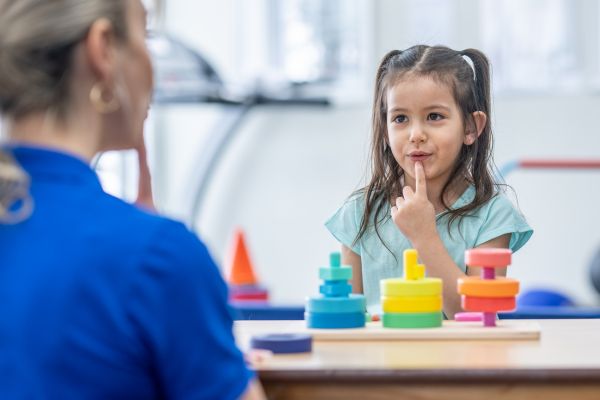
Speech-language therapists use play-based methods to encourage communication in age-appropriate ways. Therapy often looks much different from traditional classroom learning. Sessions may involve games, storytelling, songs, or interactive activities designed to build speech and language skills gradually.
Progress can vary widely. Some toddlers improve quickly, while others need longer-term support. Patience remains essential throughout the process.
Most importantly, seeking help early should never feel like failure. It is simply a step toward giving children the support they may need to communicate more confidently.
Building Confidence Alongside Communication
Communication is about more than words alone. Toddlers also need emotional confidence while learning to express themselves.
Children with speech delays sometimes become frustrated, shy, or withdrawn because communication feels difficult. Encouraging alternative communication methods like gestures, facial expressions, or simple signs can reduce frustration while speech continues developing.
Positive reinforcement matters too. Praising effort instead of perfection helps toddlers feel safer experimenting with language.
A calm, supportive environment allows communication skills to grow more naturally. Children develop best when they feel understood, encouraged, and emotionally secure.
Conclusion
Understanding speech delay in toddlers: what to do begins with patience, awareness, and balanced action. While every child develops differently, early attention to communication challenges can make a meaningful difference in long-term development.
Parents do not need to panic over every missed milestone, but they also should not ignore persistent concerns. Listening carefully, encouraging interaction, reducing communication barriers, and seeking support when necessary all help create stronger foundations for language growth.
Most importantly, toddlers are more than developmental checklists. They learn through connection, play, repetition, and emotional security. With encouragement, consistent interaction, and the right support when needed, many children with speech delays continue building communication skills in ways that unfold gradually but meaningfully over time.