
Why Progress Tracking Matters More Than Motivation
Fitness rarely changes overnight. One workout may leave you sweaty, tired, and proud, but the real transformation happens quietly over weeks and months. That is why learning how to track fitness progress effectively can make such a difference. It turns vague effort into visible evidence. It shows what is working, what needs adjusting, and where patience is required.
Many people start a fitness routine with energy. They buy shoes, join a gym, download an app, or begin walking every morning. Then, after a few weeks, doubt creeps in. The scale may not move. Muscles may still feel weak. Clothes may fit almost the same. Without tracking, it is easy to assume nothing is changing.
But progress often arrives in small signs before it becomes obvious. You walk farther without stopping. You lift the same weight with better form. You sleep more deeply. Your resting heart rate improves. Your posture feels stronger. These details matter, and tracking helps you notice them before frustration takes over.
Defining What Progress Means to You
Before you track anything, it helps to decide what progress actually means. Not everyone is chasing the same result. Some people want fat loss. Others want muscle gain, better stamina, flexibility, strength, balance, or simply a healthier daily routine.
If the goal is unclear, the tracking will feel scattered. A person trying to build strength should not judge every week by body weight alone. Someone working on endurance may care more about distance, pace, breathing, and recovery. A beginner trying to build consistency may simply need to know how many sessions they completed this month.
This is where fitness becomes personal. The most useful tracking system is not the most complicated one. It is the one that reflects your real goal and fits naturally into your life.
Using the Scale Without Letting It Control You
Body weight is one of the most common fitness measurements, but it is also one of the most misunderstood. The scale can be helpful, especially for people with weight loss or weight gain goals. Still, it should never be treated as the only sign of success.
Weight changes daily because of water, food, sodium, hormones, digestion, sleep, stress, and exercise. A hard workout can even make the body hold water temporarily as muscles recover. That means one random weigh-in can be misleading.
A better approach is to look at trends. Weighing at the same time of day, a few times per week, can show a clearer pattern over time. The weekly or monthly average matters more than a single number. When viewed calmly, the scale becomes information instead of judgment.
Taking Body Measurements for a Clearer Picture
Body measurements can reveal progress the scale misses. This is especially useful when someone is losing fat and gaining muscle at the same time. The body may become leaner, firmer, and more shaped even if weight changes slowly.
Measuring the waist, hips, chest, arms, and thighs once every few weeks can give a more complete view. The key is consistency. Use the same measuring tape, the same spots, and a relaxed posture each time. Pulling the tape tighter one week and looser the next will only create confusion.
Measurements do not need to become an obsession. Once every two to four weeks is enough for most people. The goal is to notice direction, not inspect every tiny fluctuation.
Progress Photos Tell a Story Numbers Cannot
Photos can feel uncomfortable at first, but they are often one of the most honest tools for tracking fitness changes. The mirror changes slowly, and because you see yourself every day, small improvements can disappear into familiarity. Photos create distance. They let you compare where you were with where you are.
To make progress photos useful, keep the setup simple and consistent. Use the same lighting, similar clothing, the same angles, and the same time of day if possible. Front, side, and back photos every month can show posture, muscle tone, fat loss, and overall shape more clearly than memory ever could.
The point is not to criticize your body. It is to document your work. There is something powerful about seeing proof that effort has been adding up, even when daily life made it hard to notice.
Tracking Strength in a Practical Way
Strength progress is one of the most satisfying things to record because the numbers are direct. If you could squat with light dumbbells last month and now you can lift more with good form, that is progress. If push-ups feel easier, if your plank lasts longer, or if your rows are smoother, your body is adapting.
A simple workout log can include the exercise, weight, repetitions, sets, and how difficult the session felt. This helps avoid guessing. Without a record, people often repeat the same workout for months without realizing they have stopped challenging themselves.
Good tracking also protects against doing too much. If performance drops suddenly, soreness lingers, and energy feels low, your log may show that recovery has been ignored. Progress is not always about pushing harder. Sometimes it is about knowing when to step back.
Measuring Endurance and Cardio Improvements
Cardio progress can show up in several ways. You may walk longer, run faster, cycle farther, climb stairs with less effort, or recover more quickly after intense movement. These signs are worth tracking because cardiovascular fitness often improves before visible body changes appear.
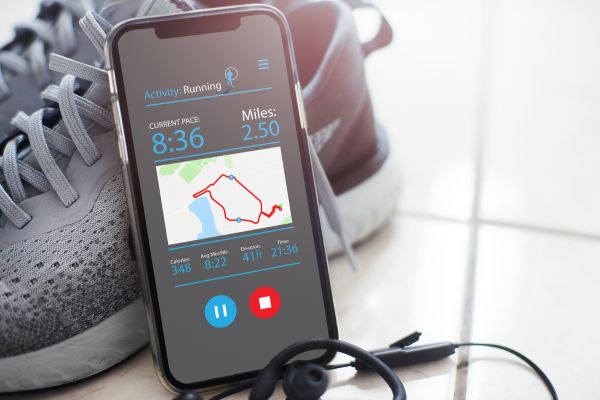
For walking or running, distance and time are simple markers. For cycling or rowing, pace and resistance can be useful. For general fitness, you might track how long it takes your breathing to settle after exercise. Even a note like “felt easier than last week” can be meaningful.
Resting heart rate can also offer insight for some people. When fitness improves, the heart may become more efficient. However, stress, illness, poor sleep, and dehydration can affect heart rate too, so it should be viewed as one part of the picture, not the entire story.
Paying Attention to Energy, Sleep, and Mood
Fitness progress is not only physical. A good routine often improves mood, confidence, sleep, and daily energy. These changes are easy to overlook because they do not always fit neatly into a chart.
If you want to track fitness progress effectively, include how you feel. Are you waking up with more energy? Is your afternoon slump less intense? Are you sleeping better after workout days? Do you feel calmer after walks? Are your clothes more comfortable even if the scale has barely changed?
These signs matter because fitness is not just about appearance. It is about living better inside your own body. A plan that improves health but makes you miserable may not last. A plan that supports your energy and mood is more likely to become part of your life.
Building a Simple Fitness Journal
A fitness journal does not need to be fancy. It can be a notebook, a spreadsheet, a phone note, or an app. The best system is the one you will actually use.
A helpful entry might include the date, workout type, exercises, duration, intensity, mood, sleep, and any small wins. For nutrition-related goals, you may also track water intake, protein, meal timing, or general eating patterns. This does not mean every bite needs to be recorded forever. Sometimes a short food note is enough to connect habits with results.
The journal becomes a conversation with yourself. It shows patterns. Maybe you train better after a full night of sleep. Maybe weekend eating affects Monday energy. Maybe your strength improves when you take rest days seriously. These discoveries are where real progress begins.
Avoiding the Trap of Tracking Too Much
Tracking is helpful until it becomes exhausting. Some people start with good intentions and end up monitoring every calorie, step, heartbeat, and inch. Instead of feeling empowered, they feel watched by their own routine.
A good tracking system should reduce confusion, not create pressure. Choose a few meaningful markers and stay consistent with them. For many people, workout performance, body measurements, progress photos, and energy levels are enough. Others may need more detail, especially athletes or people working with specific goals.
The question is simple: does this tracking help you make better decisions? If yes, keep it. If it only makes you anxious, simplify it.
Reviewing Progress and Making Adjustments
Tracking only works if you review it. Every few weeks, pause and look at the pattern. Are you getting stronger? Is your stamina improving? Are measurements changing? Is your energy better? Are you staying consistent?
If progress has stalled, do not panic. Plateaus are normal. You may need more recovery, a small change in workout intensity, better nutrition, improved sleep, or a clearer plan. Sometimes the issue is not effort but direction.
Small adjustments are usually better than dramatic changes. Fitness rewards consistency more than panic. A thoughtful review can keep you from quitting a plan that is working slowly or staying too long with one that is not working at all.
Conclusion
Learning to track fitness progress effectively is really about learning to see the full picture. The scale can help, but it is not the whole truth. Strength, endurance, measurements, photos, energy, mood, sleep, and consistency all tell part of the story.
Progress is often quieter than people expect. It shows up in a better workout, a calmer mind, a stronger posture, or a walk that feels easier than it used to. When you track those changes with patience and honesty, fitness becomes less about guessing and more about understanding your own body.
The goal is not to turn health into a strict report card. It is to notice your effort, learn from your patterns, and keep moving forward with more confidence.